
Introduction
Importing furniture from China can offer strong advantages in product variety, customization, and cost, but the process also contains practical risks. Most problems are not caused by China sourcing itself; they come from weak preparation, unclear specifications, poorsupplier selection, or lack of follow-up during production and shipping. Understanding the common mistakes helps buyers avoid unnecessary cost and build a more reliableprocurement process..
1. Choosing Only by Lowest Price
The lowest quotation is rarely the full story. In furniture manufacturing, a lower price may come from cheaper materials, thinner panels, lighter hardware, simplified finishing, weaker packaging, or less quality control. Buyers should compare quotations only after confirming that materials, dimensions, structure, surface treatment, packaging, and trade terms are the same. The better question is not which supplier is cheapest, but which supplier provides the best total value with controllable risk.
2. Skipping Supplier and Factory Verification
Many buyers place orders before confirming whether the supplier is a real factory, a trading company, or an intermediary. Without verification, buyers may face inconsistent quality, delayed delivery, or limited control over production. Basic checks should include business license, factory address, workshop photos or videos, production capacity, export experience, and sample performance. For important orders, third-party inspection or on-site verification is worth the cost.
3. Failing to Confirm Specifications
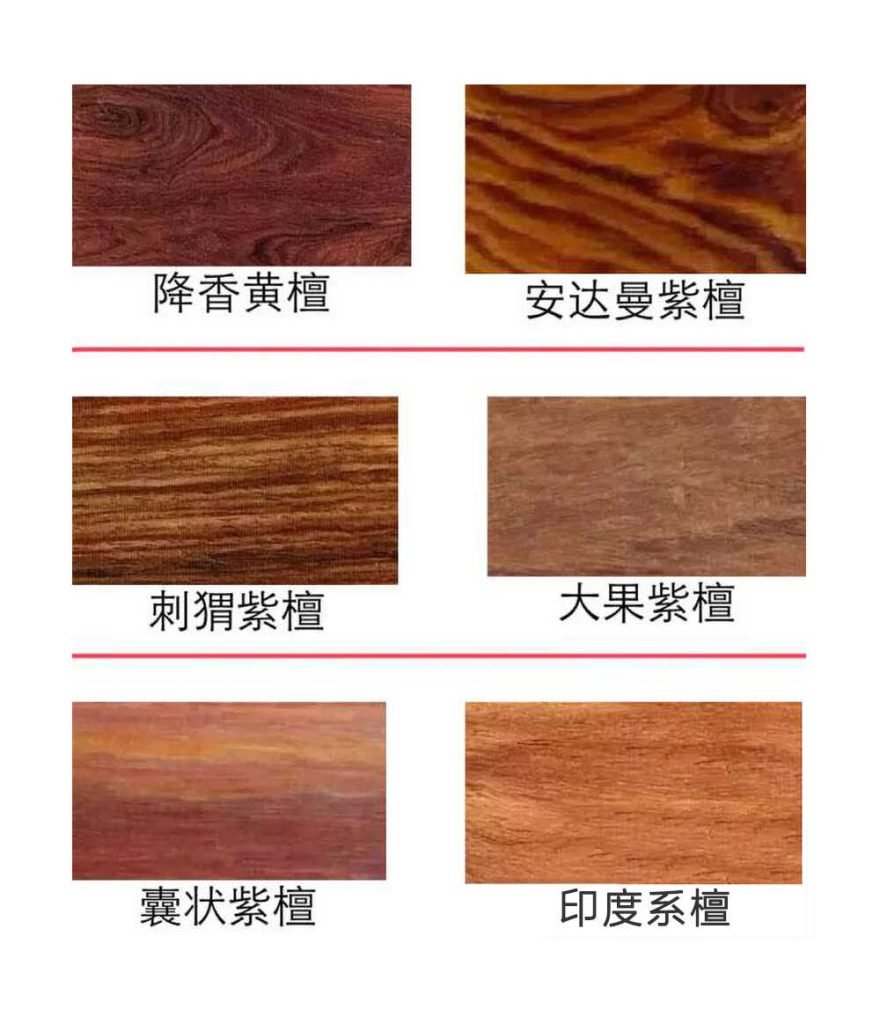
Furniture quality depends heavily on details. Wood species, board thickness, moisture content, hardware model, upholstery fabric, foam density, color, finishing process, dimensions, assembly method, and packaging all need to be clearly confirmed. If the buyer only provides reference photos, the factory may make assumptions that differ from the buyer’s expectation. Written specifications and approved samples are essential before mass production.
4. Misunderstanding MOQ and Cost Structure
MOQ affects pricing, customization, production scheduling, and supplier interest. Small orders often have higher unit costs because factories still need to purchase materials, prepare production lines, and organize labor. Buyers who ignore MOQ may find that the quoted price changes after details are confirmed. A realistic approach is to discuss order volume, product mix, standard colors, existing materials, and long-term cooperation potential together.
5. Poor Communication
Unclear communication is one of the most common causes of production problems. Vague product descriptions, missing drawings, delayed replies, and verbal-only agreements can all lead to misunderstanding. Buyers should communicate with structured documents, confirm key points in writing, and keep a clear record of approved samples, revisions, packaging requirements, inspection standards, and shipping deadlines.
6. Underestimating Logistics and Packaging
Furniture is large, heavy, and easy to damage if packaging is weak. Buyers who focus only on production cost may overlook carton strength, corner protection, moisture control, palletization, loading method, and customs documents. LCL shipments involve more handling and therefore require stronger packaging.Logistics planningshould begin before production is finished, not after goods are ready.
7. Ignoring the Sourcing Ecosystem
China’s furniture industry is regionalized. Buyers who do not understand industrial clusters may miss better suppliers and more efficient cost structures. Regions such asNankangoffer concentrated furniture manufacturing resources, strong supply chain integration, and easier supplier comparison. Choosing the right sourcing region can be as important as choosing the right individual factory.
Conclusion
Most furniture import mistakes are preventable. Buyers can reduce risk byverifying suppliers, confirming specifications, understanding MOQ and pricing, communicating clearly, planning packaging and logistics early, and using mature industry clusters or reliable sourcing platforms. Successful importing is not about finding the cheapest offer; it is about building a supply chain that can deliver consistently.