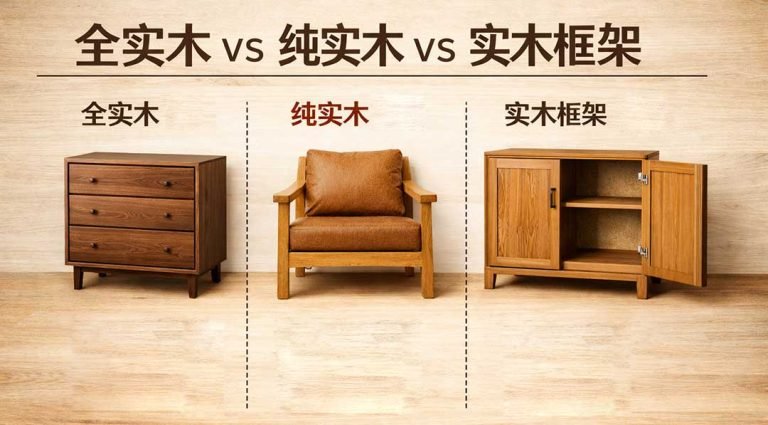
All Solid Wood, Pure Solid Wood, Solid Wood Frame: Understanding the Essential Differences
When shopping for solid wood furniture, consumers often encounter terms like "all solid wood," "pure solid wood," and "solid wood frame" -

When shopping for solid wood furniture, consumers often encounter terms like "all solid wood," "pure solid wood," and "solid wood frame" -

When renovating or buying furniture, many people get stuck on the same concern: If the home uses air conditioning regularly or has floor heating, is solid wood furniture still suitable?
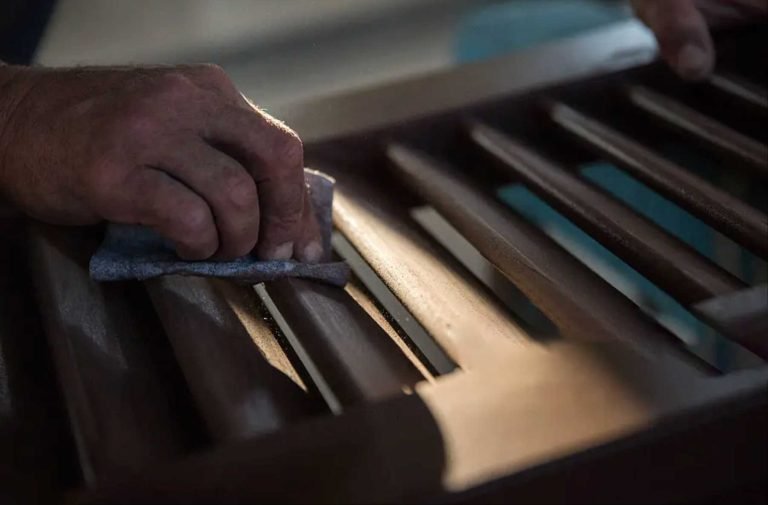
Before buying solid wood furniture, many people spend a lot of time comparing materials, craftsmanship, and prices. However, once the furniture is in use, one key issue is often overlooked: solid wood furniture is not a maintenance-free product.
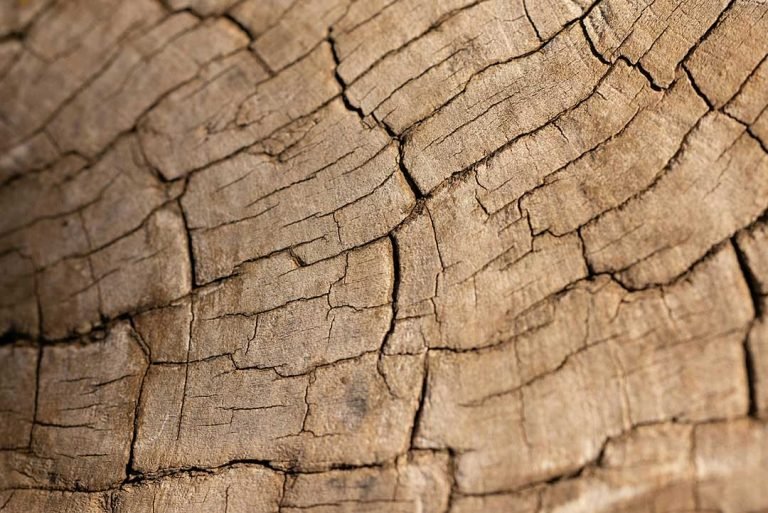
After buying solid wood furniture, many people experience similar issues: small cracks appearing after a few years, drawers becoming harder to slide, or cabinet doors slightly warping. It’s easy to conclude, “The quality must be bad.”
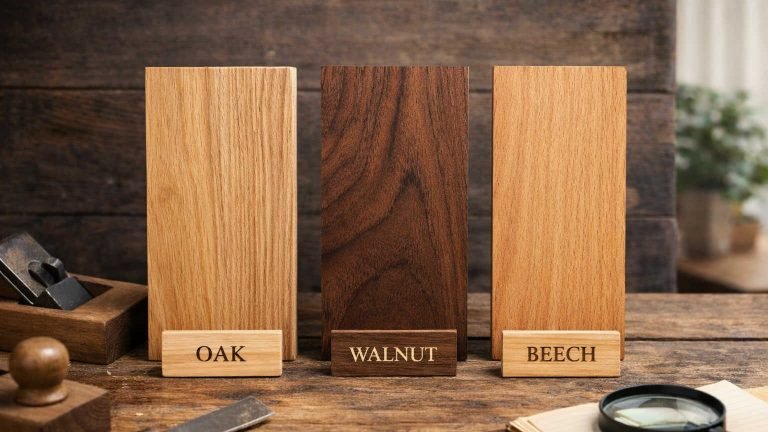
When buying solid wood furniture, the first question is often whether it’s “real solid wood.” But very quickly, another unavoidable question comes up: what kind of wood is it made from? Many consumers notice that solid wood furniture can look, feel, and cost very differently—even when products are labeled similarly. In most cases, those differences come directly from the wood itself.

When choosing furniture, many people naturally prioritize “solid wood furniture.” However, once they start comparing products, they quickly notice something confusing: almost every brand claims its furniture is solid wood, yet prices, quality, and user experience vary significantly. So what exactly qualifies as real solid wood furniture? What are the differences between “all solid wood,” “pure solid wood,” and “solid wood frame”? In this article, we explain it clearly from an industry perspective.

I. Historical Background and Evolution of Chinese-Style Furniture.Chinese-style furniture has a long and rich history, with its origins dating back to the Zhou Dynasty of ancient China. Early furniture was primarily low in height, designed for floor seating, such as low tables and couches used while sitting on mats. As society developed, lifestyles and seating habits gradually evolved, leading to continuous changes in furniture forms, structures, and functions.
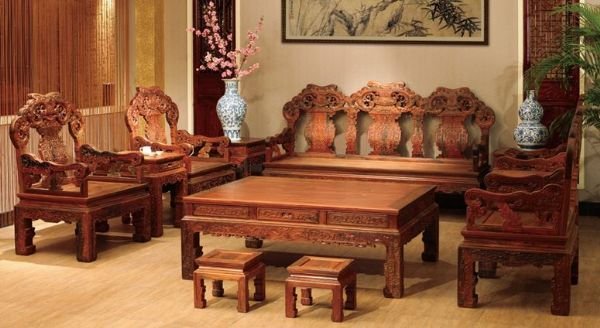
Key Points for Choosing Redwood Furniture 1. Weight Is a Crucial Indicator of Authenticity The type of raw materials and the proportion of solid wood used in redwood furniture directly affect its weight. A simple way to assess whether a piece has sufficient substance is to check its overall heaviness—genuine redwood furniture typically feels solid and substantial due to the high density of the wood.
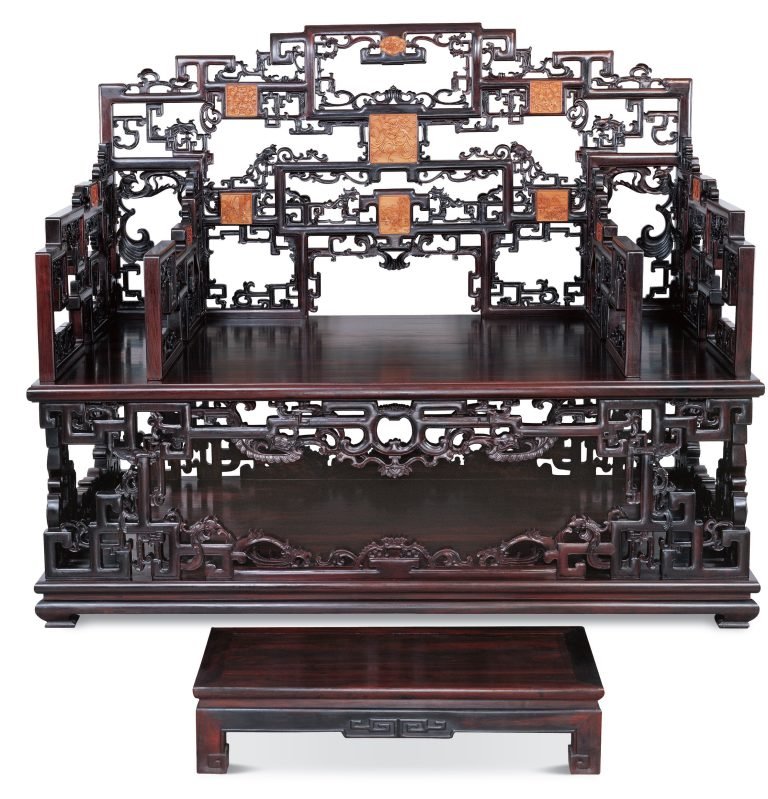
Alongside China’s long and enduring civilization, the history of Chinese furniture is equally profound and far-reaching. According to some scholars, throughout the long course of development of Chinese classical furniture, four major design traditions or stages emerged as the most significant, each marking a distinctive phase in its stylistic and structural evolution.
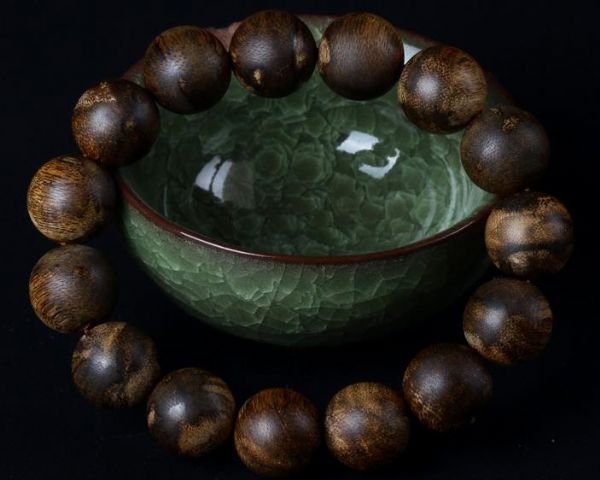
Agarwood, also known as Chen Shui Xiang or Shui Chen Xiang, was historically written as Shen Xiang (with Shen meaning the same as Chen in ancient usage). In the classical expression “Chen, Tan, Long, She”—which refers to the four most precious traditional fragrances—the term “Chen” specifically denotes agarwood.Agarwood is revered for its refined, elegant aroma and is exceptionally rare and difficult to obtain, making it one of the most prized aromatic materials in traditional Chinese culture.

Identification Tips for Hainan Huanghuali and Vietnam HuanghualiNames and Origins Hainan Huanghuali, known as Dalbergia odorifera in the national "Redwood" standard, is commonly referred to by various names such as Huanghuali. It is primarily sourced from Hainan Island, China. On the other hand, Vietnam Huanghuali, also called Dalbergia cochinchinensis, is commonly found in Vietnam. While they share the same general name of Huanghuali, the origin and species of these two woods differ significantly.
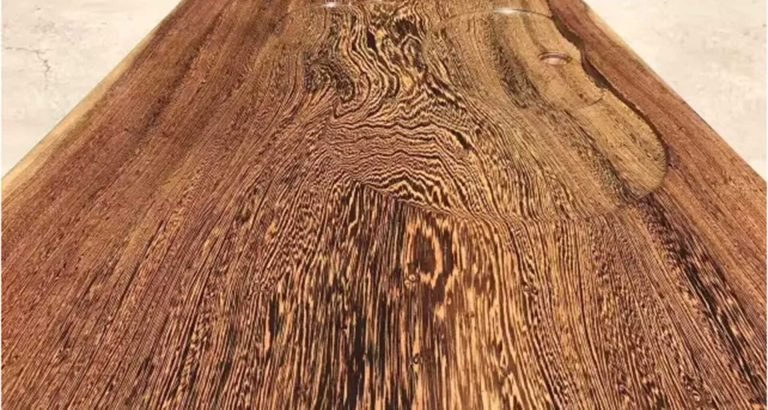
Characteristics and Identification Knowledge of Winged Bean WoodWinged Bean Wood belongs to the Crotalaria and Ironwood species. It has a wide distribution, found in regions such as Congo, Zaire in Africa, South Asia, Southeast Asia, and areas in China including Guangdong, Guangxi, Yunnan, and Fujian.