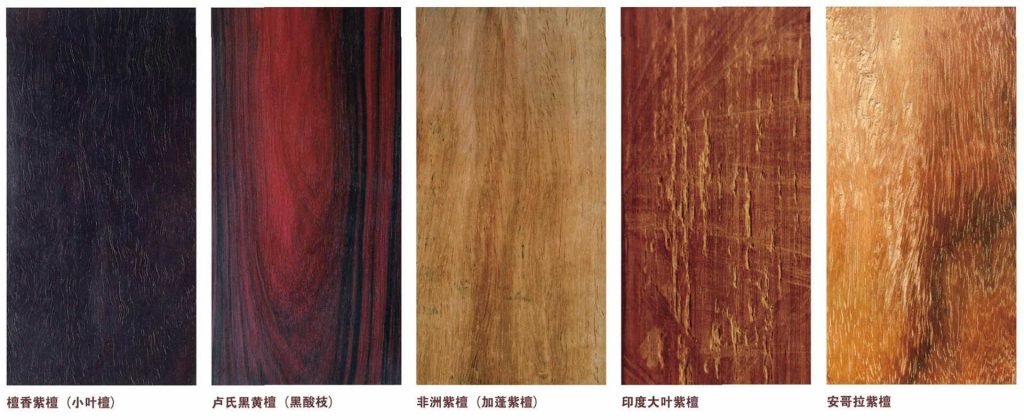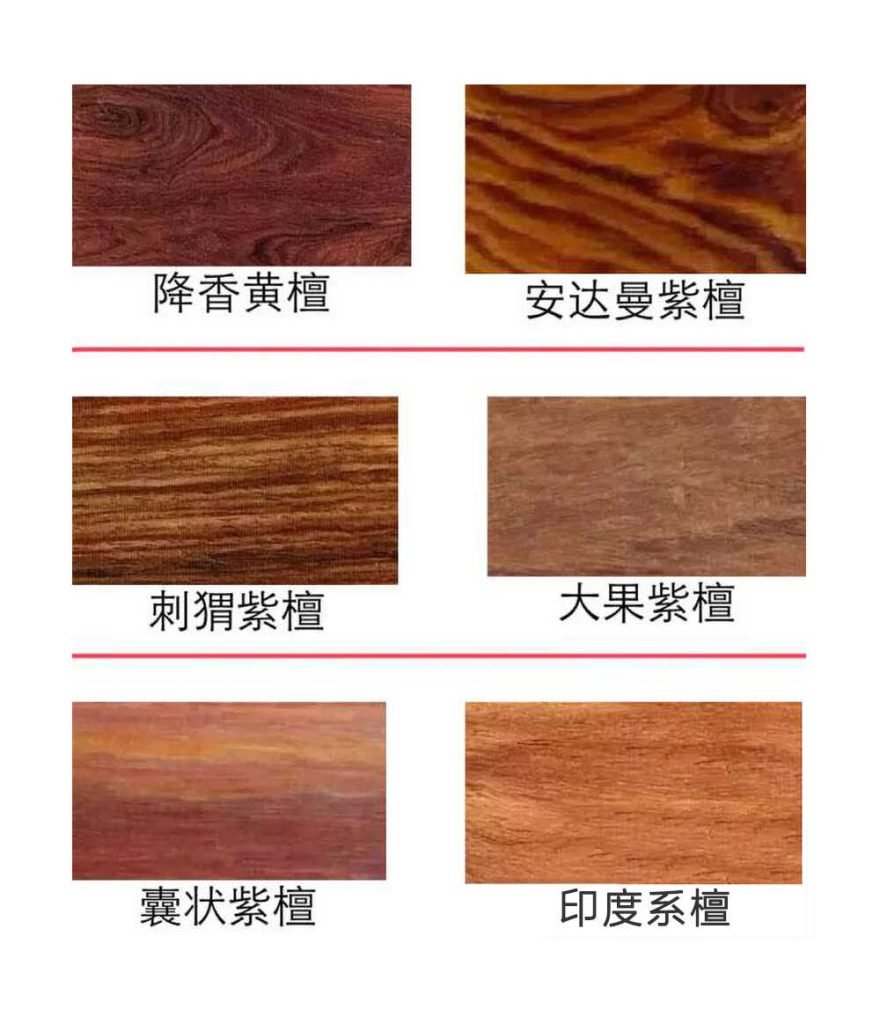
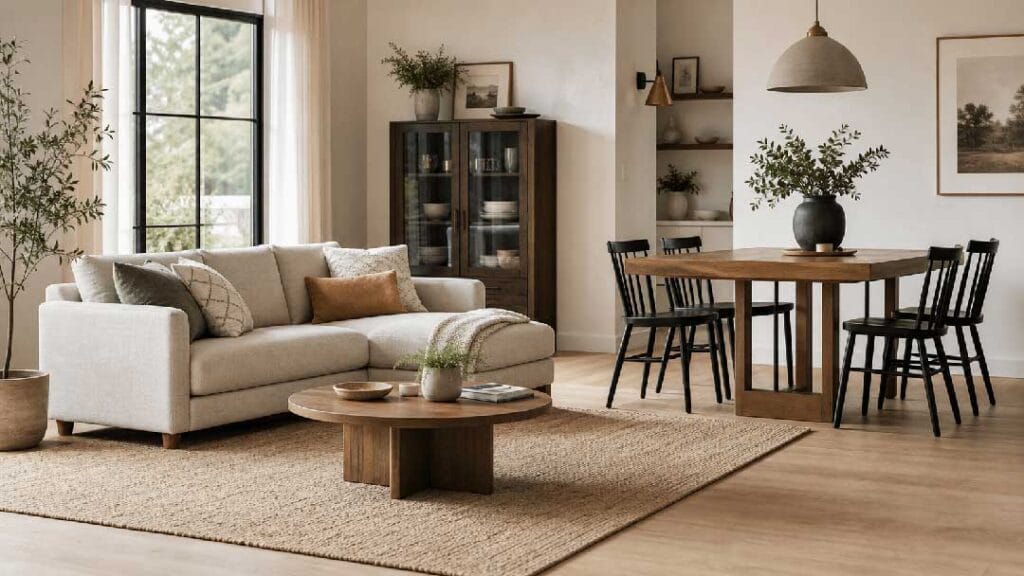
When buying solid wood furniture, many people focus entirely on the type of wood: oak or ash? mahogany or black walnut? They rarely pay attention to the unseen "skin" of the furniture's surface—the finish. In fact, the finish not only determines the visual appeal of solid wood furniture but also directly affects its durability, environmental friendliness, and long-term maintenance costs. The same piece of oak treated with wood wax oil and PU varnish can look drastically different a few years later, with vastly different prices.
Finishing is like a "second skin" for solid wood furniture.“
Solid wood is a porous material that naturally absorbs moisture from the air and expands and contracts with changes in humidity. Without protective coatings, wood is prone to absorbing moisture and becoming moldy, getting stained with oil, and even cracking due to rapid moisture evaporation. The basic function of coatings is to seal or semi-seal the surface of the wood, reducing the impact of the external environment on the wood, while showcasing the wood's grain and color in a more ideal way.
However, painting is not simply "brushing on a layer of paint." The differences between different processes and coatings will bring completely different user experiences. If consumers only look at the wood species and ignore the painting, they will often encounter problems later on.
Three main coating processes: wood wax oil, varnish, and open-pore varnish.
Wood wax oil: natural and open-ended, but requires patience.
Wood wax oil is a coating material primarily composed of plant oils and natural waxes. It doesn't form a sealed film; instead, it penetrates into the wood fibers, filling the wood's ducts with wax and oil. This process preserves the natural feel of the wood, resulting in a finely textured surface where the grain can be felt. Visually, furniture coated with wood wax oil has a more matte finish, resembling a naturally developed sheen rather than the sheen of paint.
Wood wax oil has many advantages: it's highly environmentally friendly, has low VOC content, and is easy to refinish; if there's localized wear, it can simply be sanded and reapplied. However, its disadvantages are also obvious—its resistance to heat, scratches, and water is relatively weak. Placing a hot cup of coffee directly on a wood wax oil tabletop can easily leave white marks; scratches from children's toys will also leave marks. Therefore, wood wax oil furniture requires more careful daily maintenance, and is especially suitable for families who appreciate the natural feel of wood and are willing to invest time and effort in its upkeep.
Clear varnish (PU/PE/UV): Sealing and durable, but prone to a "plastic" feel.“
Varnish is a broad term, and common types include PU varnish (polyurethane varnish), PE varnish (unsaturated polyester varnish), and UV varnish (ultraviolet curing varnish). These coatings form a transparent film on the wood surface, completely sealing the wood. The surface is smooth, hard, and has good waterproof and heat-resistant properties, making daily maintenance very easy. Spilled coffee or water stains are easily wiped clean and don't easily leave marks.
However, the sealing effect of varnish also means that the natural feel of the wood is weakened. Some processes even completely "fill in" the wood grain, making it look like plastic with a wood grain pattern, losing the warmth of solid wood. Furthermore, inferior varnish or improper application can cause problems such as orange peel, runs, and bubbles, and its environmental friendliness is not as good as wood wax oil. In recent years, water-based paints have gradually become a trend, striking a better balance between sealing and environmental friendliness, but the cost is also relatively higher.
Open-pore paint and closed-pore paint: These are called processes, but they are actually "coating methods".“
Many people confuse "open-pore finish" with "wood wax oil," but open-pore finish is a coating method, not a type of paint. The purpose of open-pore finish is to preserve the natural pores and grain of the wood, making the wood grain visible on the surface, while closed-pore finish completely fills in the wood grain, creating a mirror-like effect. Wood wax oil is a typical example of an open-pore finish, and PU paint can also achieve an open-pore effect—as long as a thick coat and heavy sanding are avoided during the primer stage, allowing some of the pores to show.
The choice between open-pore and closed-pore finishes depends largely on style and living environment. Open-pore finishes emphasize a natural feel and are suitable for Japanese and Scandinavian styles; closed-pore finishes are easier to maintain and are suitable for modern minimalist, American styles, and areas with high humidity such as kitchens and bathrooms. It's important to note that open-pore finish furniture is generally less stain-resistant than closed-pore finish furniture, especially light-colored wood, where liquids can easily seep into the pores.
Cost and price range of different paint finishes: Where exactly does the difference in price lie?
In the furniture market, the same type of wood can have a price difference of 201 tbsp to 501 tbsp depending on the finish. This is not entirely due to the price of the paint itself, but more so to the differences in craftsmanship and labor.
| Paint type | Coating costs (relative) | Human efficiency | Finished product price difference | Common price ranges (taking oak furniture as an example) |
|---|---|---|---|---|
| Wood wax oil | Mid-high | Low (time-consuming wiping and sanding) | High | It is 15%-30% higher than ordinary clear varnish. |
| PU varnish (sealing) | 中 | High-efficiency (painting and baking production line) | ordinary | Benchmark price |
| Water-based paints (open/closed) | High | Medium (slow drying, dust removal required) | High | 20%-40% higher than PU |
| Wood wax oil + localized skin application | Low | 中 | See process | It may be cheaper than solid wood. |
Be aware that some vendors use "wood wax oil" as a selling point for high prices, but in reality, they use cheap wood wax oil or just apply a thin layer that doesn't penetrate the wood. When comparing prices, consumers should not only look at the coating name, but also ask about the brand, the number of coats, the number of sanding sessions, and whether it is truly open-pore.
Durability test: Why do some furniture pieces turn white and crack after a few years of use?
The durability of a coating depends primarily on the paint's performance, the quality of application, and the thickness of the coating. While wood wax oil is less weather-resistant than PU lacquer, its "cracking" is often not due to the wood itself cracking, but rather the loss of protection after the coating loses its effectiveness. In northern heated areas with extremely low indoor humidity, the wood itself will shrink, and even with a coating, fine cracks may appear. In such cases, a sealing coating is recommended as it slows down moisture exchange.
Common problems with varnished furniture include brittleness and peeling of the varnish film, especially in areas with direct sunlight or large temperature differences. Inferior PU varnish may yellow after two or three years, while high-quality water-based varnish has better gloss retention and flexibility. Our team has tested some furniture samples, and water-based open-pore varnish is significantly better than traditional PU varnish in terms of impact resistance and flexibility, but its abrasion resistance is still slightly inferior to PE varnish.
In addition, thicker paint is not necessarily better. Thick paint films are prone to cracking and will blur the wood grain. A good paint job should be "thin and multiple coats"—for example, apply wood wax oil at least three times, and spray two coats of base coat and three coats of top coat with clear varnish. This will achieve both protection and preserve the three-dimensionality of the wood grain.
Consumer advice: How to choose paint for different spaces and different groups of people?
Children's Room: Environmental Protection First, Choose Open-Pit Paint with Caution
Children's room furniture has the highest environmental requirements for its finish, and water-soluble wood wax oil or water-based paint are recommended. Wood wax oil penetrates deep into the wood, eliminating the risk of children accidentally ingesting peeling paint. However, it's important to note that wood wax oil furniture has weak stain resistance, and crayon drawings by children may be difficult to clean. Therefore, if the budget allows, water-based polyurethane open-pore finishes are more recommended, as they are both environmentally friendly and relatively washable.
Dining room and desk: Heat resistance and scratch resistance are essential.
Dining tables are among the most frequently used pieces of furniture, and hot soups, drinks, and cutlery can all damage the tabletop. It's recommended to choose a sealed finish like PU or PE, or a high-hardness water-based paint. While wood wax oil looks nice, it's not suitable as the main finish for a dining table unless you have very careful dining habits or are willing to frequently re-oil the tabletop.
Bedroom wardrobes and bedside tables: It depends on your preference for texture.
If you're looking for a cozy bedroom atmosphere, wood wax oil is a great choice; its warm texture can be relaxing. However, it's also recommended to coat the inside of your wardrobe to prevent clothes from getting damp. Many brands use wood wax oil on the inside of their wardrobes and varnish on the outside, a combination that's both environmentally friendly and stain-resistant—a combination worth considering.
Market Observation: Paintwork is becoming a new "rhetoric" for brand premium.“
On e-commerce platforms, you often see slogans like "imported wood wax oil" and "natural, environmentally friendly, and odorless." This does reflect consumers' growing awareness of environmental protection, but it has also given rise to new market irregularities. Some brands simply rename ordinary clear varnish furniture as "open-pore varnish" and raise prices, while others use low-priced wood wax oil to reduce costs but inflate the selling price. In reality, good wood wax oil raw materials are not cheap; the cost per kilogram of imported plant-based wax oil can be 3-5 times that of PU varnish, and the waste during application is also higher.
Another trend is the rapid popularization of water-based paints. Influenced by environmental regulations, large domestic furniture factories have already switched to water-based paints. However, water-based paints have longer drying times and require a more stringent dust-free environment. Therefore, some small workshops may cut corners, such as reducing the number of coats or using oil-based paint for the primer and only applying a small amount of water-based paint for the topcoat. Consumers should be wary of these "fake water-based paints" and can request test reports from sellers or inspect the furniture's cross-sections and holes for any traces of paint application.
From a distribution channel perspective, online furniture often uses sealed lacquer or high-hardness UV lacquer to reduce damage during logistics, as these are less prone to scratches during transport and handling. Meanwhile, offline independent design brands prefer to use wood wax oil to emphasize the natural materials and attract buyers sensitive to texture. This difference also leads to incomparable pricing systems between online and offline channels.
Practical Tips for Purchasing and Maintenance
- Look at the texture:Open-pore finishes reveal the wood grain texture, and you can feel the pores with your fingers; closed-pore finishes have a smooth, glass-like surface with minimal texture.
- Smell:Wood wax oil furniture has almost no pungent smell, but has a faint plant oil smell; PU paint may have a residual solvent smell, but this should lessen after ventilation.
- Waterproofing test:Before purchasing, you can ask the seller for a sample. Drop a drop of water on the surface; the wood wax oil will slowly seep in and leave a dark mark, while the sealing varnish will form water droplets.
- Pay attention to the number of construction passes:Ask about the number of coats and sandings. Generally speaking, wood wax oil should be applied at least 3 times and clear varnish should be sprayed 3-4 times to be considered acceptable.
- Maintenance Notes:Furniture coated with wood wax oil can be maintained by applying wood wax oil every 2-3 years; for varnished furniture, avoid using cleaners containing wax or silicone, as these will damage the varnish.
The finishing process for solid wood furniture is actually the most demanding aspect of manufacturing, requiring a high level of integrity. Because it's invisible and intangible, consumers can only verify its quality through brand reputation and long-term use. Hopefully, this article will help you avoid common mistakes in finishing techniques and purchase solid wood furniture that truly suits your lifestyle.
If you're currently choosing furniture, consider platforms like nkfurn. nkfurn not only focuses on the furniture products themselves but also continuously compiles information on space design, materials and craftsmanship, and market trends to help you make a more informed decision about furniture selection and industry changes. Avoid pitfalls and gain more confidence.
Further Reading
If you are systematically planning your furniture selection or market content, you can also continue reading these related articles: