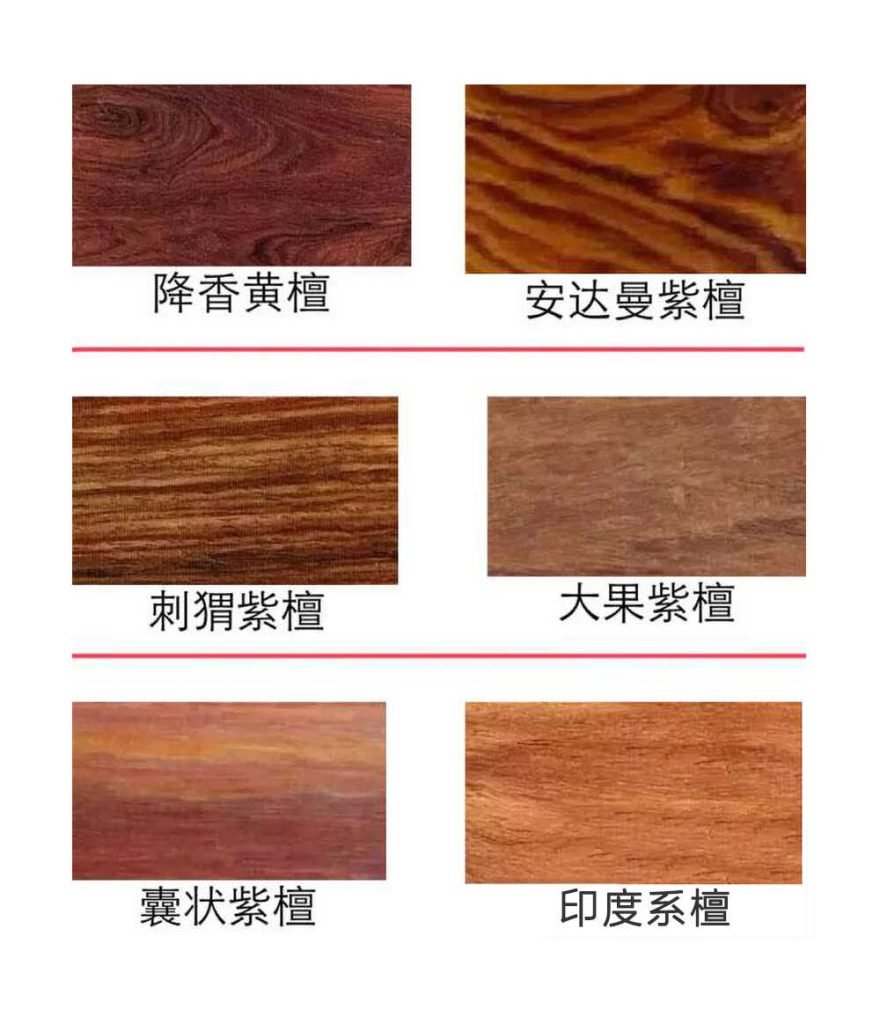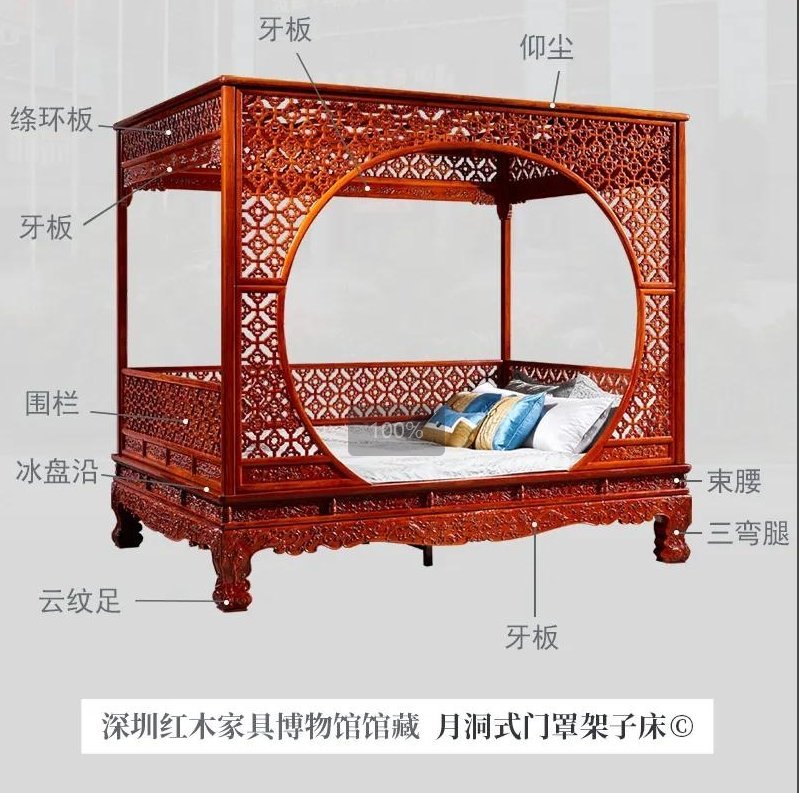

When choosing furniture, many people naturally prioritize “solid wood furniture.” However, once they start comparing products, they quickly notice something confusing: almost every brand claims its furniture is solid wood, yet prices, quality, and user experience vary significantly.So what exactly qualifies as real solid wood furniture? What are the differences between “all solid wood,” “pure solid wood,” and “solid wood frame”? In this article, we explain it clearly from an industry perspective.
1. Why Is “Solid Wood Furniture” So Easily Misunderstood?
Within the furniture industry, “solid wood” is not a strictly unified term. From a regulatory or industry-standard point of view, as long as natural wood is used in a product, it may be described as related to solid wood.
In actual sales, however, this concept is often exaggerated or blurred, which leads to confusion for consumers. Some furniture is made entirely from natural wood; some uses solid wood as the main structure while incorporating panels in areas such as backboards or bottom panels; others only use solid wood veneer or a solid wood frame.Because of this, whether a piece of furniture is truly solid wood does not depend on how it is marketed, but on how it is actually constructed.
2. Four Common Types of “Solid Wood Furniture” in the Industry
2.1 All Solid Wood Furniture (True Solid Wood)
This is the type that most closely matches the public’s understanding of solid wood furniture. The main structure, panels, drawers, and other components are all made from natural wood, without the use of engineered boards for load-bearing or primary structures. The wood grain is natural and continuous, clearly showing the growth characteristics of the wood itself.All solid wood furniture typically has higher costs and requires more advanced craftsmanship and experience. Stability control is also more challenging, which is why these products are usually positioned in the mid-to-high-end market.
2.2 Solid Wood Furniture with Limited Auxiliary Materials
This is the most common type on the market and also the one most easily misunderstood. In the industry, this usually means that the main structural components are solid wood, while non-load-bearing areas such as back panels or bottom panels may use plywood or other materials with higher dimensional stability.This approach is both reasonable and widely accepted in furniture manufacturing. The purpose is to improve structural stability, reduce the risk of warping, and help control overall costs. When materials and structure are clearly disclosed, this type should not be considered “fake” solid wood furniture.
2.3 Wood-and-Panel Combination Furniture
Wood-and-panel furniture combines solid wood with engineered boards. Common structures include solid wood used for frames and legs, while panels or internal components are made from plywood or other board materials.This type of furniture offers better stability and more cost-effective pricing, making it suitable for large-scale production. It is important to note that wood-and-panel furniture is not the same as all solid wood furniture, and its pricing and market positioning are entirely different.
2.4 Solid Wood Veneer Furniture (Often Misidentified)
Solid wood veneer furniture looks very similar to solid wood furniture on the surface, but the internal structure is usually made from engineered boards, with a thin layer of natural wood veneer applied to the exterior.Although the wood grain appears natural, the core structure is not solid wood. These products are generally lower in cost and visually appealing, but their long-term durability and stability are more limited. In the industry, they are typically not classified as true solid wood furniture.
3. Why Is There Such a Large Price Difference Among Solid Wood Furniture?
Even when products are labeled as solid wood furniture, price differences can be significant. The main reasons lie in wood material, craftsmanship, and stability control.
First is the difference in wood itself. The cost and performance of different wood species vary greatly. For example, pine and rubberwood differ substantially from beech, oak, or black walnut in terms of price, stability, and scarcity. Wood grading, moisture content control, and drying processes also directly affect cost and service life.
Second is structural design and craftsmanship. Whether boards are cut from full planks, whether mortise-and-tenon joints are used, and whether joining and paneling processes are properly executed all have a direct impact on manufacturing cost and finished product stability.
Finally, and most often overlooked, is the cost of stability control. The real challenge of solid wood furniture is not making it, but ensuring that it remains stable, does not warp, and does not loosen over time under different climates and usage conditions. This is precisely where low-priced products often fall short.
4. How Can Consumers Identify Solid Wood Furniture?
Without professional tools, consumers can still make basic judgments from several aspects. First, examine the structure and focus on load-bearing components such as legs and frames to see whether they are made from natural wood. Second, observe the wood grain: natural grain is irregular and continuous, while veneer often shows repetitive patterns. Third, review product descriptions—clear and transparent material information is more reliable. Finally, consider the price: products advertised as “all solid wood” but priced far below the market average should be approached with caution.
Most importantly, do not only ask whether it is solid wood, but also where the solid wood is used.
5. Is Solid Wood Furniture Suitable for Everyone?
Not necessarily. Solid wood furniture is better suited for those who value long-term durability, prefer natural materials, and are willing to accept some level of maintenance. For consumers who prioritize budget, dimensional stability, or short-term use, wood-and-panel furniture may actually be a more practical choice.True solid wood furniture is not just a marketing label, but the result of a comprehensive combination of materials, structure, craftsmanship, and stability control. Once these differences are understood, solid wood furniture becomes far less mysterious, and price differences make much more sense. The key is whether it truly fits your actual needs.