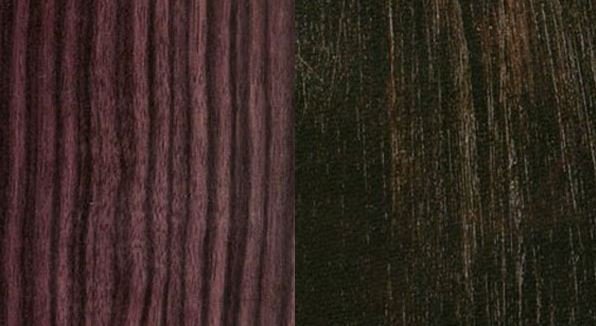
I. Sintered Stone and Solid Wood: The Current Market Situation of Two Dining Table Materials
The biggest change in the dining table market over the past few years has been the rapid rise of sintered stone. Five years ago, solid wood dining tables were almost the only choice for mainstream families, but now, sintered stone dining tables make up a significant portion of any furniture store or online platform. Sintered stone has quickly won over young consumers with its minimalist modern feel and excellent heat and scratch resistance. However, solid wood dining tables still have many loyal fans who value the warm texture and repairability of wood. So, how should you choose between these two materials? This article will provide an in-depth analysis from multiple dimensions, including product knowledge, material processing, durability, cost-effectiveness, and consumption scenarios, to help you make a more suitable decision.
II. In-depth analysis of materials and processes
1. Sintered stone: A product of industry and technology
Sintered stone slabs are not natural stone, but rather made from inorganic materials such as quartz powder and clay, pressed using a massive press and then fired at temperatures above 1200℃. This process results in extremely high density, almost zero water absorption, and a Mohs hardness of 6-7 (close to granite). Currently, the sintered stone slabs on the market are mainly imported from Spain and Italy, as well as domestic brands such as Delifeng, Xinmingzhu, and Mona Lisa. Imported sintered stone slabs (such as Lamina and Desais) have advantages in color, texture, and whiteness, but their prices are usually 2-3 times that of domestic products. Domestic sintered stone slabs have made rapid progress in recent years, offering excellent value for money, making them especially suitable for consumers with limited budgets.
When choosing a slab dining table, the most crucial indicators are thickness and bottom craftsmanship. Common slab thicknesses include 6mm, 9mm, 12mm, and 15mm. 6mm slabs are often used for countertop veneers or wall decorations; for dining tables, at least 9mm is recommended to avoid cracking. Regarding the bottom craftsmanship, good slab dining tables will have honeycomb aluminum or wood panels reinforced in the base to prevent breakage due to uneven stress. Also, pay attention to the edge treatment of the slab; chamfered or rounded edges reduce the possibility of chipping or cracking.
2. Solid wood: the sedimentation of nature and time
Solid wood dining tables come in a wide variety of materials, from common oak, walnut, and cherry wood, to higher-end black walnut and teak, and more cost-effective options like rubberwood and pine. Different woods vary greatly in hardness, stability, and grain. For example, North American black walnut has a smooth feel and a deep, rich color, but it is expensive, with a dining set often costing over 8,000 yuan; white oak is hard and has a straight grain, making it suitable for minimalist styles; cherry wood darkens over time due to oxidation, giving it an artistic feel; while rubberwood is mostly used in lower-priced solid wood furniture, is prone to warping, and has limited durability.
The core craftsmanship of solid wood dining tables lies in moisture content control and the splicing method. National standards require solid wood furniture to have a moisture content between 81% and 121% (this can be relaxed slightly in southern regions); excessively high moisture content can lead to cracking and warping. For splicing, reputable brands use finger joints or mortise and tenon joints to reduce glue usage and preserve the natural wood grain. Regarding finishes, wood wax oil retains the feel of the original wood but has weak waterproofing and stain resistance; polyurethane lacquer (PU lacquer) is hard, scratch-resistant, and suitable for everyday use. Consumers should ask whether it is "all solid wood" or "a combination of wood and particleboard" to avoid buying veneer products.
III. Comparison of Durability and Routine Maintenance
1. Sintered stone: Hard, heat-resistant, and stain-resistant, but susceptible to damage from hot spots.“
The biggest advantage of sintered stone is its heat resistance—a freshly cooked hot pot bottom can be placed directly on it without any problems, unlike solid wood which leaves white marks. It's also highly scratch-resistant; cutting fruit with a knife on it leaves virtually no scratches. Stains are easily wiped clean, and red wine and soy sauce don't easily seep in. However, the major drawback of sintered stone is its vulnerability to localized impacts. For example, hitting the edge with a hammer or dropping a heavy object on a corner can easily cause chipping or cracking. Furthermore, once damaged, sintered stone is almost impossible to repair; the entire countertop must be replaced. Therefore, families with young children should be especially careful to prevent children from hitting the surface with metal toys.
2. Solid wood: Warm and smooth, repairable, but susceptible to water and heat damage.
The durability of a solid wood dining table depends on the quality of the wood and the finish. High-hardness woods (such as black walnut and teak) have good wear resistance, but they are still susceptible to damage from direct contact with hot pots (which can cause the finish to turn white), water (leaving water stains), and scratches (keys, cutlery, etc., can leave marks). The advantage is that scratches and dents in solid wood can be restored to their original state through sanding, oiling, and refinishing, with relatively low traditional repair costs. Furthermore, solid wood develops a unique patina over time, becoming more appealing with use. However, if the ambient humidity is too high or too dry, solid wood is prone to cracking and warping, requiring the maintenance of stable indoor humidity.
IV. Cost-effectiveness and Price Range Analysis
Price is one of the core factors in consumer decision-making. Let's look at how two types of dining tables perform in different price ranges.
| Price Range | Slab dining table | solid wood dining table |
|---|---|---|
| 1000-2000 yuan | Mainly made of domestically produced sintered stone, typically 9mm thick, with possibly no bottom reinforcement, and featuring a strong design aesthetic. | Mostly made of rubberwood or pine veneer, with poor structural stability and generally poor paint finish. |
| 2000-4000 yuan | High-quality domestically produced sintered stone slabs (such as Delifeng), 12mm thick, with honeycomb aluminum reinforcement at the bottom, and a modern design. | Solid wood models made of North American white oak or rubberwood/pine, with moderate workmanship, some featuring finger joints. |
| 4000-8000 yuan | Imported sintered stone slabs (such as Lamina), 12-15mm thick, with a strong design sense, paired with carbon steel or stainless steel table legs. | Solid black walnut or cherry wood, beech/oak slabs, exquisite craftsmanship, environmentally friendly finish. |
| More than 8,000 yuan | Italian premium slabs, featuring unique patterns and electric lifting functions, suitable for high-end minimalist styles. | Large, straight-jointed North American black walnut slabs, or single planks of teak or walnut, collector-grade quality. |
From a long-term cost perspective, sintered stone dining tables require almost no maintenance, but replacement costs are high if damaged. Solid wood dining tables require regular maintenance (waxing or oiling), but repair costs are low. If you plan to use it for more than 10 years and have children at home, sintered stone is recommended (it's durable and sturdy); if you value emotional appeal and home ambiance, solid wood may be more suitable.
V. Matching Consumption Scenarios and Styles
1. Modern minimalist, industrial style, no main light design – slab stone is a perfect match.
The modern texture and understated sheen of sintered stone make it a perfect match for metal table legs, cement gray walls, and linear pendant lights. For those who value less and more and prioritize functionality, sintered stone dining tables can easily blend into minimalist spaces. In open-plan kitchens, sintered stone countertops can even be extended to form a central island, creating a cohesive look.
2. Nordic, Japanese, Neo-Chinese, and Traditional American styles – solid wood creates a warmer atmosphere.
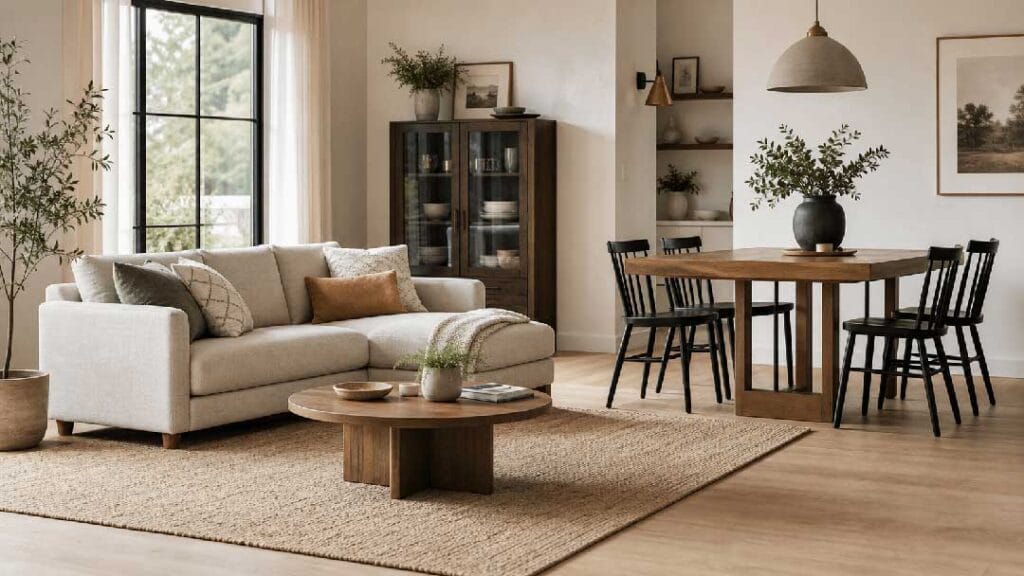
The natural grain and feel of solid wood create a warm and relaxing atmosphere. The straight grain of oak suits Scandinavia, the dark color of black walnut suits understated luxury, and the warm tones of cherry wood suit Japanese style. If you have wood flooring in your home, pairing it with a solid wood dining table will create a more harmonious overall look. For families that value emotional connection, the "warmth" of solid wood is something that sintered stone can hardly replace.
VI. Market Trends and Channel Changes
In recent years, sales of sintered stone dining tables have continued to climb, especially among young people. However, solid wood dining tables are also undergoing upgrades: more and more brands are launching minimalist solid wood dining tables with thinner edges (below 20mm), reducing weight through splicing techniques; some brands are also combining sintered stone with solid wood, such as sintered stone tabletops with solid wood legs, taking the best of both worlds. In terms of price, influenced by raw materials and environmental policies, the price of high-quality solid wood has remained stable with a slight increase, while the price of sintered stone has actually decreased due to the maturity of domestic technology. Regarding distribution channels, online platforms (such as Tmall and JD.com) have become the main sales channel for dining tables, but the offline experience remains important—after all, it's about trying to sit on the table, looking at the grain, and feeling the texture.
For distributors, it's essential to stock inventory based on local consumer preferences. Young homeowners in first-tier cities tend to prefer sintered stone, while solid wood remains dominant in second- and third-tier cities. It's recommended to display both materials simultaneously, using a contrasting approach to guide customer experience.
VII. Purchase Recommendations and Tips for Avoiding Pitfalls
- Three essential questions to ask when buying sintered stone:Is the thickness ≥12mm? Is there a reinforced structure at the bottom (honeycomb aluminum or wood panel)? What is the warranty period (usually 3-5 years)?
- Three essential questions to ask when buying solid wood furniture:What type of wood is it? Is it solid wood or veneer? What is the moisture content? Is it finished with paint or wax?
- Try to see the actual product in a physical store:The patterns on sintered stone vary greatly under different lighting conditions, and the grain and color differences of solid wood also need to be confirmed visually.
- Note the structure of the table legs:Slab dining tables often use metal legs; check if the welds are smooth and if the screws are loose. Solid wood dining tables should ideally have sturdy mortise and tenon joints, avoiding thin, square legs (which are prone to wobbling).
- Considering the actual number of diners:Slab dining tables are mostly large (1.4m-1.8m), suitable for families; smaller apartments can choose folding solid wood dining tables for more flexibility.
VIII. Industry Observation: Will Sintered Stone Replace Solid Wood?
From the current market perspective, sintered stone and solid wood are not substitutes, but rather developing in parallel. Sintered stone addresses the shortcomings of solid wood, such as its poor heat and scratch resistance, while industrial production lowers the entry barrier for high-end dining tables. Solid wood, on the other hand, retains its natural beauty and emotional value, maintaining an unshakeable position in the high-end market and among lifestyle-conscious consumers. In the future, we may see more products combining different materials, such as sintered stone tabletops paired with solid wood frames, or sintered stone with solid wood veneer (both aesthetically pleasing and durable). For furniture industry professionals, understanding the characteristics of both materials and providing suitable solutions for different customer groups is key.
NKFurn focuses on furniture products, interior design, materials and craftsmanship, and market information. We believe that only by truly understanding the advantages, disadvantages, and applicable scenarios of different materials can we help users make informed choices. Whether it's the modern convenience of sintered stone or the classic warmth of solid wood, NKFurn is committed to providing objective and in-depth content, ensuring that every purchasing decision is based on sound reasoning. We welcome your continued attention to our updates as we explore more furniture knowledge and industry changes together.
Further Reading
If you are systematically planning your furniture selection or market content, you can also continue reading these related articles:
- A Complete Guide to Purchasing and Maintaining Redwood Furniture
- No matter how well-promoted the environmentally friendly boards are, if the edge banding details and finishing processes aren't done properly, the whole-house customization will still fail.
- The Development Journey of Nankang Furniture: From Roadside Pine-Bark Sheds to the “Capital of China’s Solid Wood Furniture”