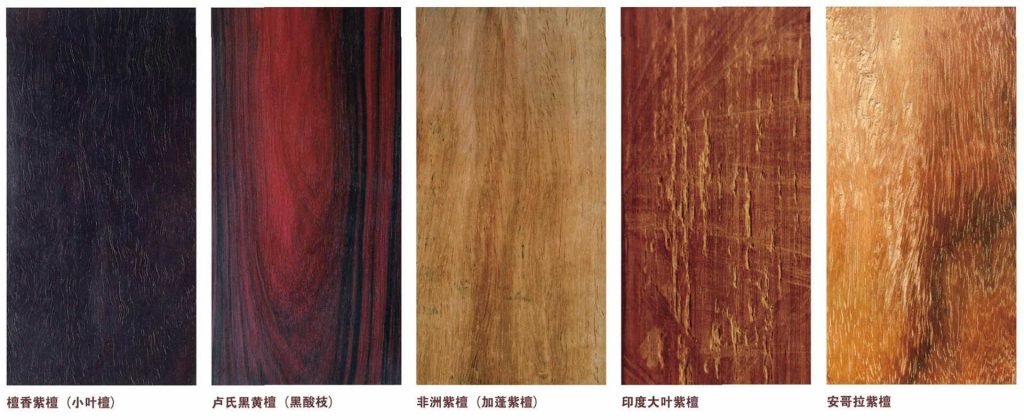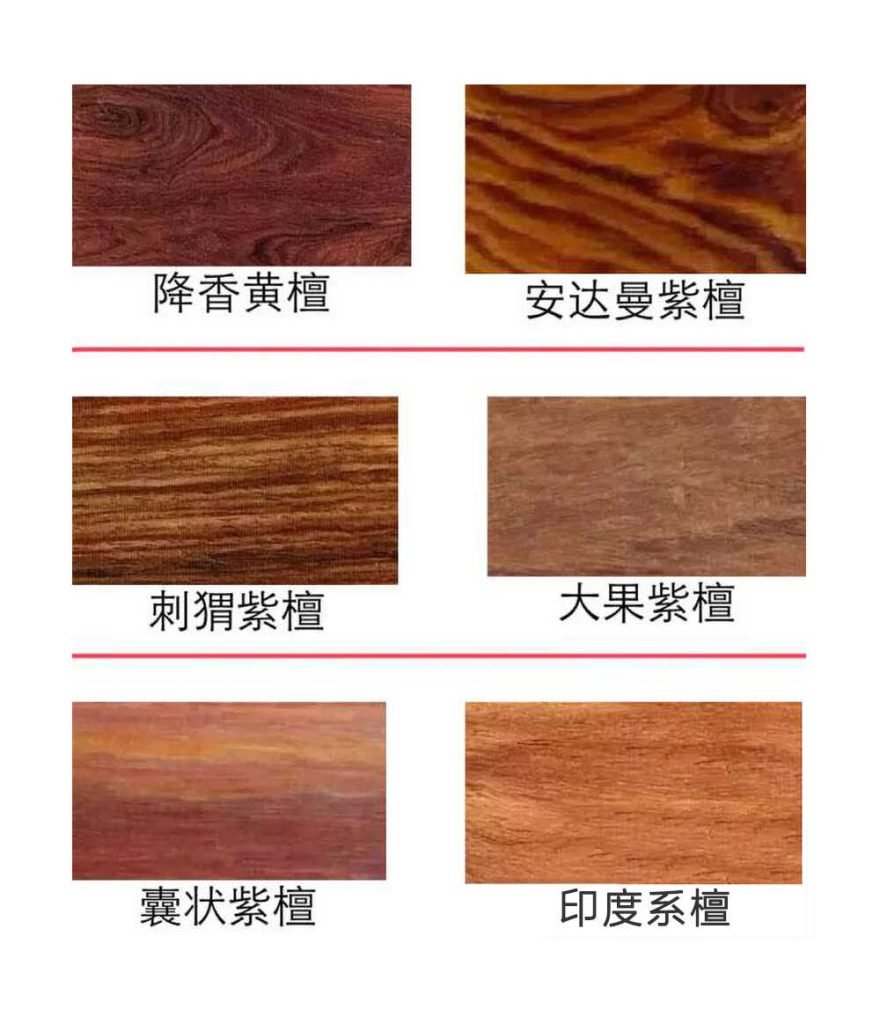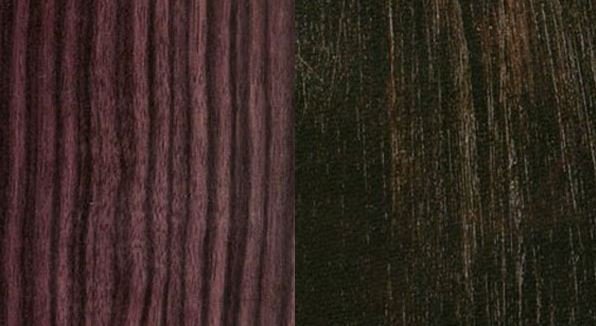
The rosewood furniture market has undergone a significant structural adjustment in recent years. With the increasing scarcity of rosewood raw materials and stricter export controls imposed by various countries, the prices of traditional rosewood materials such as Burmese rosewood and Dalbergia cochinchinensis (Siamese rosewood) have continued to rise. A solidly built Burmese rosewood sofa that might have cost only 20,000 to 30,000 yuan ten years ago now easily costs 70,000 to 80,000 yuan or even more. This has caused many consumers who previously had a fondness for rosewood to hesitate and instead seek more affordable alternatives. At the same time, the popularity of the Neo-Chinese style is also driving the diversification of furniture materials. Woods such as African rosewood, Dalbergia latifolia, and African padauk (a common name for Pterocarpus macrocarpus, but not a national standard rosewood) are appearing frequently in retail stores and e-commerce platforms. Are these woods worth buying? What are their advantages and disadvantages compared to genuine rosewood? What pitfalls should consumers avoid when purchasing them? This article, based on long-term observations of the furniture industry, attempts to provide some practical analysis.
I. Why have rosewood substitutes become mainstream?
The scarcity of rosewood determines its luxury status, while the mass market for furniture needs products that are "prestigious yet not too expensive." In recent years, the price of imported rosewood has risen significantly, especially Burmese rosewood (Pterocarpus macrocarpus), which rose from about 15,000 yuan per ton in 2016 to over 30,000 yuan per ton in 2024, with high-grade materials even exceeding 40,000 yuan per ton. Dalbergia cochinchinensis (Siamese rosewood) is even more scarce, with a decent sofa starting at 200,000 to 300,000 yuan. This price range directly excludes many family consumers. The emergence of alternative wood species has filled this market gap: they either have grain patterns similar to rosewood or good stability, and are much more affordable. For example, African rosewood (a type of African rosewood, but belonging to the Pterocarpus genus in the national standard for rosewood) currently offers excellent value for money; a five-piece sofa set typically costs between 15,000 and 30,000 yuan, only half the price or even less of similar Burmese rosewood furniture. Dalbergia latifolia (a type of black rosewood) is characterized by its dark color and high quality, and is often used in new Chinese style furniture. Its price ranges from 20,000 to 40,000 yuan, which is much cheaper than genuine black rosewood.
Furthermore, younger consumers born after 2020 place greater emphasis on aesthetics and practicality, showing far less obsession with the "material pedigree" of their parents' generation. As long as the wood grain is attractive, the mortise and tenon joints are well-executed, and the smell is clean, they are willing to pay for the design. This has created more opportunities for African rosewood, African padauk, and even some hardwoods such as terminalia and walnut. The market has also shifted from simply viewing "rosewood as precious" to valuing "beautiful and durable."
II. Detailed Explanation of Major Alternative Timber Species: Characteristics and Price Range
1. African Rosewood (Pterocarpus erinaceus)
African rosewood (Pterocarpus erinaceus) is currently the only rosewood species in the national standard for rosewood (GB/T 18107-2017) originating from Africa, and it is also the most cost-effective rosewood on the market. Its grain is distinctly straight or mountain-shaped, with relatively coarse pores, but the feel is acceptable after polishing. It has moderate stability and is suitable for most dry regions. African rosewood furniture mostly uses mortise and tenon joints, and the surface is finished with lacquer or wax. In terms of price: a three-piece African rosewood sofa set (1+2+3) costs approximately 12,000-25,000 yuan, and a four-piece bedroom set (bed + two bedside tables + wardrobe) costs approximately 20,000-35,000 yuan. The disadvantage is that the wood itself has a pungent odor (similar to a sour smell) during processing, but this will lessen after the finished product has been stored for a period of time. When purchasing, pay attention to whether the mortise and tenon joints are properly aligned, and avoid buying veneered products.
2. Broadleaf rosewood (Indonesian black rosewood)
Dalbergia latifolia, originating from Indonesia, is a type of black rosewood. Due to its deep brownish-purple color, interlocking grain, and strong luster, it is often used in the making of modern Chinese-style furniture, especially suitable for pairing with metal or glass fittings. It has a relatively high density (approximately 0.85-0.92 g/cm³), good oil content, and is corrosion-resistant. Its price is higher than that of African rosewood (Pterocarpus erinaceus), with a sofa set costing approximately 25,000-50,000 yuan. The disadvantages are a low yield of large pieces and the presence of sapwood edges; if the manufacturer does not handle this properly (such as by staining to cover it), it may fade later. Some merchants use the term "Indonesian black rosewood" to confuse consumers, but only Dalbergia latifolia is classified as national standard rosewood; other types, such as "South American rosewood," are not. When purchasing, it is best to request that the scientific name and origin be clearly stated.
3. African rosewood (a common name for Pterocarpus macrocarpus, not a national standard product)
The term "African rosewood" commonly used in the market is actually a commercial colloquialism. Strictly speaking, it corresponds to African rosewood (standard rosewood) or other non-standard woods such as Angolan rosewood. However, many merchants refer to any wood from Africa with a rosewood-like color as "African rosewood," of which only African rosewood is genuine. Consumers need to distinguish between them. Non-standard "African rosewood" is cheaper, with a sofa set possibly costing less than 10,000 yuan, but it has poor stability, is prone to cracking and warping, and has a strong odor. This type of wood is not recommended for long-term home use, especially in areas with large humidity fluctuations.
4. Other niche alternative materials
Besides the three types mentioned above, the market also offers woods such as bloodwood (dyed rosewood, often used to imitate small-leaf rosewood), golden sandalwood (Terminalia catappa), and ebony (a type of persimmon). Bloodwood has a high density and dark color, but it is brittle and prone to cracking; golden sandalwood has a distinct grain and is suitable for modern minimalist furniture, with a moderate price. These woods are not mahogany, but they offer good value for money as solid wood furniture. For example, a 1.8-meter golden sandalwood bed costs about 4,000-6,000 yuan, which is half the price of a walnut bed.
III. The Core Differences Between Alternative Wood Species and National Standard Rosewood
Although alternative wood species are attractively priced, they still lag behind traditional mid-to-high-end rosewood in key performance aspects. Consumers need to understand the following points:
- stabilityOlder woods like Burmese rosewood and Lao rosewood, having undergone long-term natural storage, have stable moisture content and are less prone to cracking and warping. In contrast, African rosewood and broadleaf rosewood are mostly new woods, and if the drying process is not up to standard, they are prone to shrinkage and warping. It is recommended to check whether the brand offers a lifetime warranty or repair guarantee when purchasing.
- oilyThe oil content determines the protection of the patina. Dalbergia latifolia has a decent oil content, Pterocarpus erinaceus has a medium oil content, and African rosewood (not meeting national standards) has a poor oil content, making patina almost impossible. Furniture without a patina will look old with use and lose the luxurious feel of rosewood.
- Collection and value preservationRosewood (especially national standard rosewood) has certain collectible value and can be passed down through generations. However, alternative wood species, due to their large production volume and abundant supply, have limited future appreciation potential and are primarily valued for their practical uses. If your investment purpose is to invest, be cautious when choosing alternative wood species.
IV. Market Trends: Driven by both Neo-Chinese Style and Cost-Effectiveness
The rise of alternative wood species is no accident. On the one hand, the new Chinese style design requires dark-colored or clearly textured woods, making Dalbergia latifolia and Pterocarpus erinaceus (African rosewood) very suitable. They have a more textured feel than ordinary solid wood and are cheaper than top-grade mahogany, naturally becoming the first choice for designers. On the other hand, on e-commerce platforms (such as Tmall, JD.com, and Douyin live streaming), the sales growth rate of furniture made from alternative wood species is significantly faster than that of traditional mahogany. Many young families with limited budgets are willing to spend 10,000-30,000 yuan on a stylish Pterocarpus erinaceus sofa instead of 80,000-100,000 yuan on Burmese rosewood. Dealers reported that in 2024, the year-on-year sales of Pterocarpus erinaceus products in their stores increased by more than 201 million tons, and Dalbergia latifolia also saw considerable growth. However, it is important to note that the market for alternative wood species is chaotic, with frequent occurrences of veneer, dyed sapwood, and inferior products being sold as high-quality ones. Consumers should choose reputable brands and request wood identification certificates.
V. Consumer Purchase Advice: Distinguishing Genuine from Counterfeit and Balancing Cost-Effectiveness
When making a purchase, pay attention to a few key points:
- Look at the scientific name, not the common name.When a seller refers to it as "African rosewood," insist that the contract specify "Hedgehog rosewood" or its exact Latin name. Avoid vague descriptions.
- Observe the white edgesWhite edges are the leather-covered parts, containing less pigment and prone to insect infestation. Good furniture should have no white edges or strictly control them to within 51% PT3% and cover them up. You can use a flashlight to check for differences in depth at the joints.
- SmellNewly cut African rosewood has a sour smell, but the finished product should have almost no smell after being placed in the ground; if the paint smell is very strong, the workmanship may be substandard.
- Check the mortise and tenon jointsThere are many alternative materials for furniture, and they are cheaper. Manufacturers may use screws and glue for connections, rather than pure mortise and tenon joints. You can open the drawers or lift the seat to see the internal structure.
- parityFor the same rosewood sofa, online prices may be more than 30% cheaper than in physical stores, but the shipping location is crucial. Zhongshan, Guangdong and Xianyou, Fujian are the main production areas. If the shipping location is a logistics distribution center rather than the production location, be wary of OEM/ODM manufacturing.
VI. Opportunities for Alternative Materials from a Distributor's Perspective
For dealers and furniture buyers, alternative wood species are a good choice for attracting customers and increasing sales volume. In the current sluggish overall rosewood market, promoting high-end rosewood can easily lead to inventory buildup, while alternative wood species offer faster capital turnover. It is recommended that stores focus on African rosewood and Dalbergia latifolia as the main materials, supplemented with a small amount of Burmese rosewood (to showcase the brand's prestige). At the same time, attention should be paid to inventory ratios to avoid excessive Dalbergia latifolia (its higher price ties up capital). Furthermore, the installation and after-sales service of furniture made from alternative wood species in the Neo-Chinese style are simpler than traditional rosewood (no need for regular waxing), resulting in fewer customer complaints and higher repurchase rates.
VII. Future Outlook: Sustainability and Industrialization
In the long run, alternative wood species to rosewood will not disappear; on the contrary, they will become increasingly mainstream. This is because rosewood grows extremely slowly (over a century), while African and Southeast Asian timber have relatively shorter growth cycles (around 50 years), making them more sustainable. The furniture industry is moving towards a combination of industrialized production and personalized design, and alternative wood species can perfectly balance cost and aesthetics. However, with the strengthening of international environmental protection conventions (CITES) regarding timber control, some alternative wood species, such as African rosewood (Pterocarpus erinaceus), have been listed in Appendix II, meaning that import and export are restricted, and prices may rise in the future. Consumers with demand should wisely purchase now while prices are relatively low.
In today's information-saturated furniture market, consumers often struggle to quickly grasp the true differences between various types of wood. The nkfurn platform focuses on furniture products, interior design, materials, craftsmanship, and market information, aiming to help users understand furniture selection and industry trends. Whether you want to learn about the care details of African rosewood (Pterocarpus erinaceus) or compare Dalbergia latifolia (Dalbergia latifolia) from different origins, nkfurn provides objective guidance. We believe that choosing furniture is not a one-time transaction, but a long-term investment in quality of life.
Further Reading
If you are systematically planning your furniture selection or market content, you can also continue reading these related articles:
- From Online to On-site: A Cross-Border Collaboration Driven by NKFURN.COM
- OEM vs ODM Furniture Manufacturing: What’s the Difference?
- How long will the popularity of slab stone dining tables last? Advantages and disadvantages, real-world usage scenarios, and a guide to avoiding common pitfalls when purchasing.