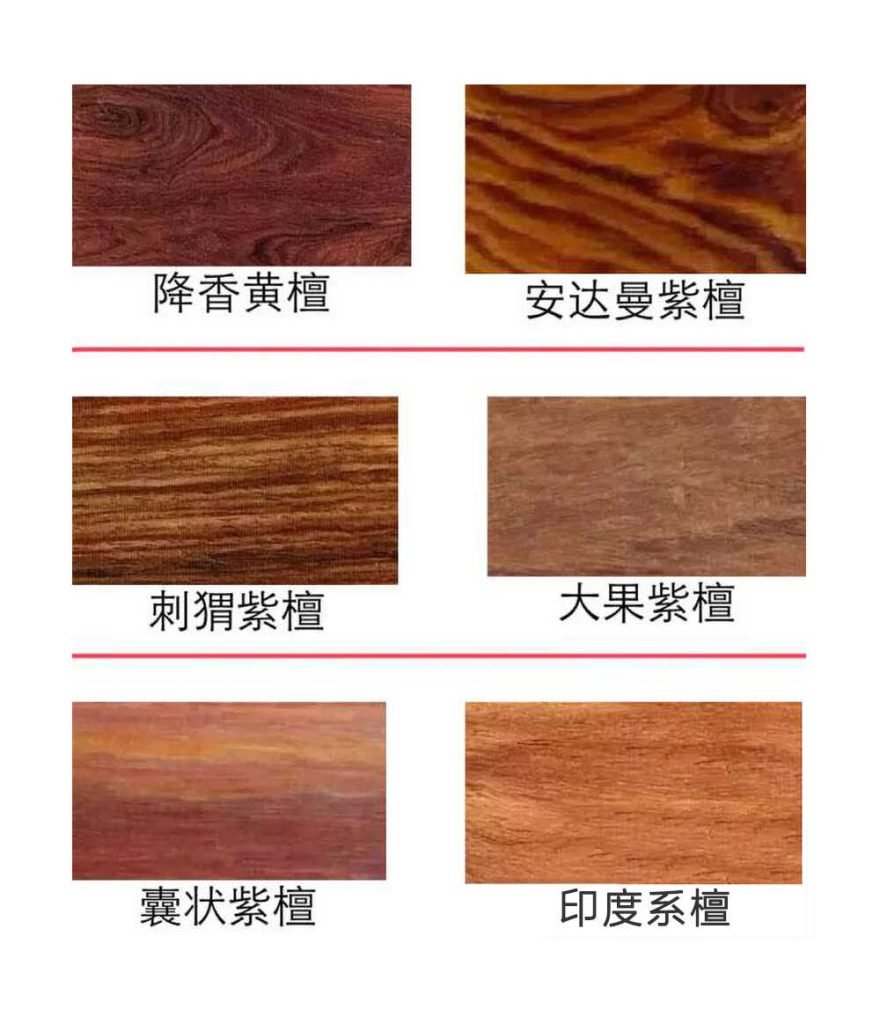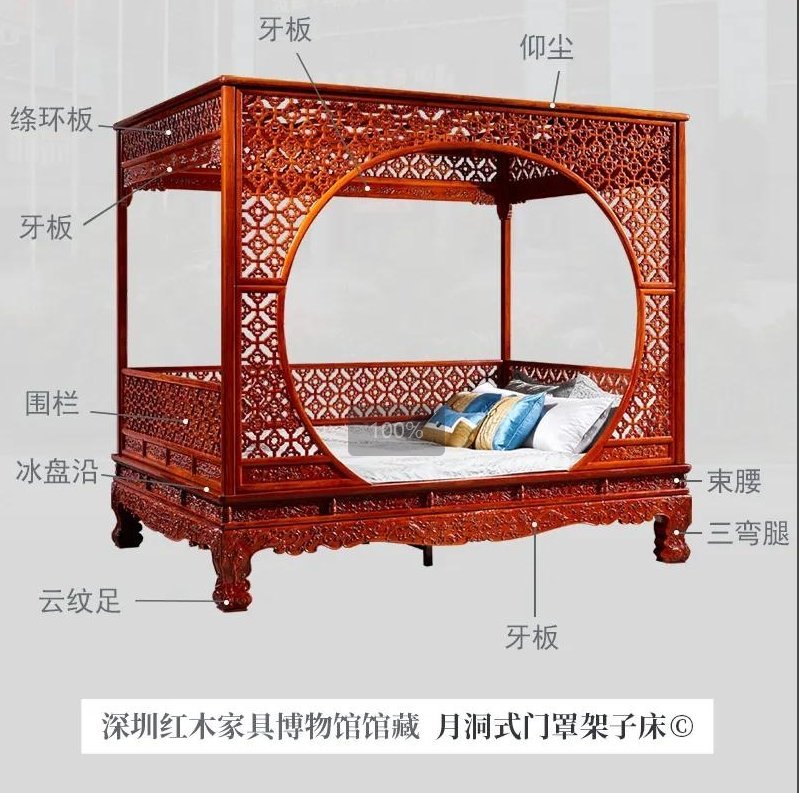

When shopping for solid wood furniture, consumers often encounter terms like "all solid wood," "pure solid wood," and "solid wood frame" - these seemingly similar concepts actually have fundamental differences. Understanding these distinctions is crucial for making informed purchasing decisions and avoiding consumer traps. To gain deeper insight intowhat constitutes genuine solid wood furniture, it's essential to first clarify these basic concepts.
1. Pure Solid Wood Furniture: The Highest Standard
Definition and Standards
Pure solid wood furniture refers to furniture where all wooden components (except for mirror backing and trim strips) are made from solid wood lumber or panels of the same tree species. This represents the strictest standard and highest quality category in solid wood furniture.
Core Characteristics
- Material Uniformity:The entire piece uses a single wood species, such as alloak, walnut, or cherry wood
- No Composite Boards: Does not use any manufactured boards, veneers, or laminated panels
- High Craftsmanship Requirements: Requires masterful mortise and tenon joinery and woodworking skills
- Continuous Grain: Furniture surfaces display natural, smoothly flowing grain patterns with high consistency
Market Positioning
Pure solid wood furniture typically commands the highest prices and is commonly found in high-end furniture brands, suitable for consumers who value quality and collectible value.
2. All Solid Wood Furniture: Allowing Multiple Species Combinations
Definition and Standards
All solid wood furniture refers to pieces where all wooden components are made from solid wood lumber or panels, but allows the use of two or more tree species. This is currently the mainstream type of solid wood furniture in the market.
Core Characteristics
- Multiple Species Combination: Main frame may use hardwood (such as oak), while interior or back panels use less expensive wood (such as pine)
- Cost Optimization: Reduces costs through rational material allocation while maintaining quality
- Strong Practicality: Uses hardwood for load-bearing parts and softwood or lower-priced wood for non-critical areas
- No Manufactured Boards: Although different species are used, all components remain solid wood materials
Common Combination Methods
- Tabletop usingwalnut, legs using rubber wood
- Cabinet main frame usingbeech, drawer bottoms using pine
- Bed frame body using whiteoak, bed slat supports using poplar
Market Positioning
All solid wood furniture offers good value for money and is the mainstream product in the mid to high-end market, suitable for consumers who value solid wood quality but have budget limitations.
3. Solid Wood Frame Furniture: A Partial Solid Wood Compromise
Definition and Standards
Solid wood frame furniture refers to pieces where the main load-bearing structure uses solid wood materials, while other parts may use manufactured boards (such as MDF, particleboard, plywood). This represents the lowest solid wood content among "solid wood furniture" types.
Core Characteristics
- Solid Wood Frame: Posts, beams, and other load-bearing skeleton uses solid wood
- Diverse Filling: Door panels, side panels, and back panels may use veneered manufactured boards
- Lowest Cost: Significantly reduces material costs with relatively affordable pricing
- Appearance Simulation: Through solid wood veneer application, appearance can closely resemble all solid wood
Common Structures
- Beds: Headboard and footboard frames use solid wood, bed platform uses plywood
- Wardrobes: Posts and beams use solid wood, door panels and side panels use veneered MDF
- Dining Tables: Legs use solid wood, tabletop uses veneered particleboard
Market Positioning
Solid wood frame furniture offers the most affordable pricing, suitable for consumers with limited budgets who still desire some solid wood elements, commonly found in rental properties or temporary housing.
4. Comparative Analysis of the Three Types
| Comparison Dimension | Pure Solid Wood | All Solid Wood | Solid Wood Frame |
|---|---|---|---|
| Solid Wood Ratio | 100% (single species) | 100% (multiple species) | 30%-70% |
| Material Requirements | Strictest | Moderately strict | Relatively lenient |
| Price Range | Highest | Mid-high | Lower |
| Environmental Performance | Best | Excellent | Average (depends on manufactured board quality) |
| Durability | Best | Good | Moderate |
| Collectible Value | High | Moderate | Low |
| Value for Money | Low | High | Relatively high |
5. Purchasing Recommendations and Considerations
How to Identify
- Check Labels: Legitimate products will clearly indicate "pure solid wood," "all solid wood," or "solid wood frame"
- Inspect Joints: Pure and all solid wood furniture joints should show continuous natural wood grain
- Observe Edges: Manufactured board veneer tends to show traces at edges
- Smell: Solid wood has a natural wood fragrance, manufactured boards may have glue odors
- Tap and Listen: Solid wood produces a dull, heavy sound; manufactured boards sound crisper
Purchasing Principles
- Clarify Needs: Choose appropriate type based on budget and usage scenarios
- Request Documentation: Ask merchants for material testing reports
- Contract Specification: Clearly note furniture type and primary materials in purchase contract
- Avoid MisleadingBe wary of vague terms like "solid wood furniture"; request clear classification
Scenario-Based Recommendations
- Long-term residence, pursuing quality: Prioritize pure solid wood or all solid wood
- New home decoration, value-conscious: Recommend all solid wood furniture
- Transitional housing, limited budget: Consider solid wood frame furniture
- Children's room furniture: Suggest selecting all solid wood grade or above to ensure environmental safety
After purchasing solid wood furniture, understandingproper maintenance methodsis also important, as this can extend furniture lifespan and reduce risks ofcracking and deformation.
6. Industry Standards and Regulatory Basis
According to the national standard "GB/T 3324-2017 General Technical Conditions for Wood Furniture," solid wood furniture is clearly classified as:
- All Solid Wood Furniture: All wooden components use solid wood lumber or solid wood panels
- wooden furniture: Furniture with solid wood material ratio not less than 70%
- Solid Wood Veneer Furniture: Substrate uses solid wood lumber or solid wood panels, with surface covered by solid wood veneer or thin wood
Consumers can use this standard as a basis for consumer rights protection when making purchases.
Conclusion
All solid wood, pure solid wood, and solid wood frame represent three different quality tiers of solid wood furniture. Pure solid wood pursues ultimate quality and collectible value, all solid wood balances quality with value for money, while solid wood frame is an economical and practical choice. Understanding these essential differences helps consumers make informed choices based on their needs and budgets, avoid being misled by vague concepts, and purchase solid wood furniture that truly meets their expectations.
In actual purchasing, besides focusing on furniture type, one should also comprehensively considerwood species, manufacturing craftsmanship, brand reputation, after-sales service, and other factors to select truly satisfactory solid wood furniture products.
Further Reading
For deeper understanding of solid wood furniture selection and use, we recommend reading these related articles: