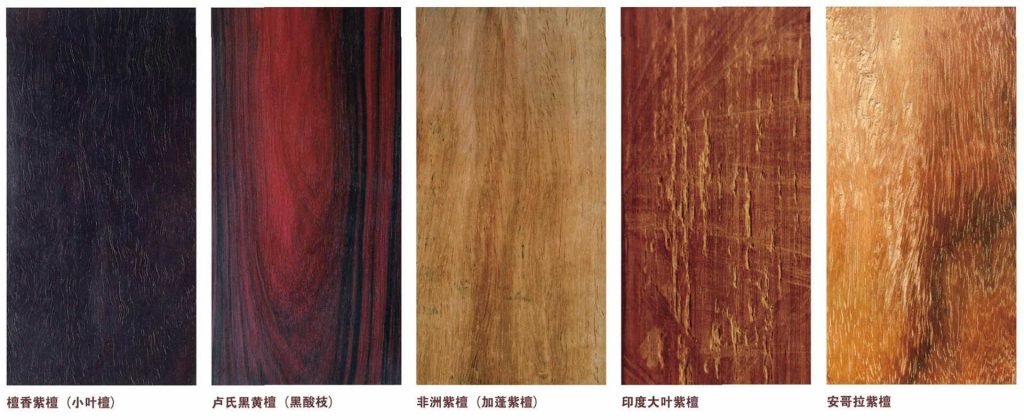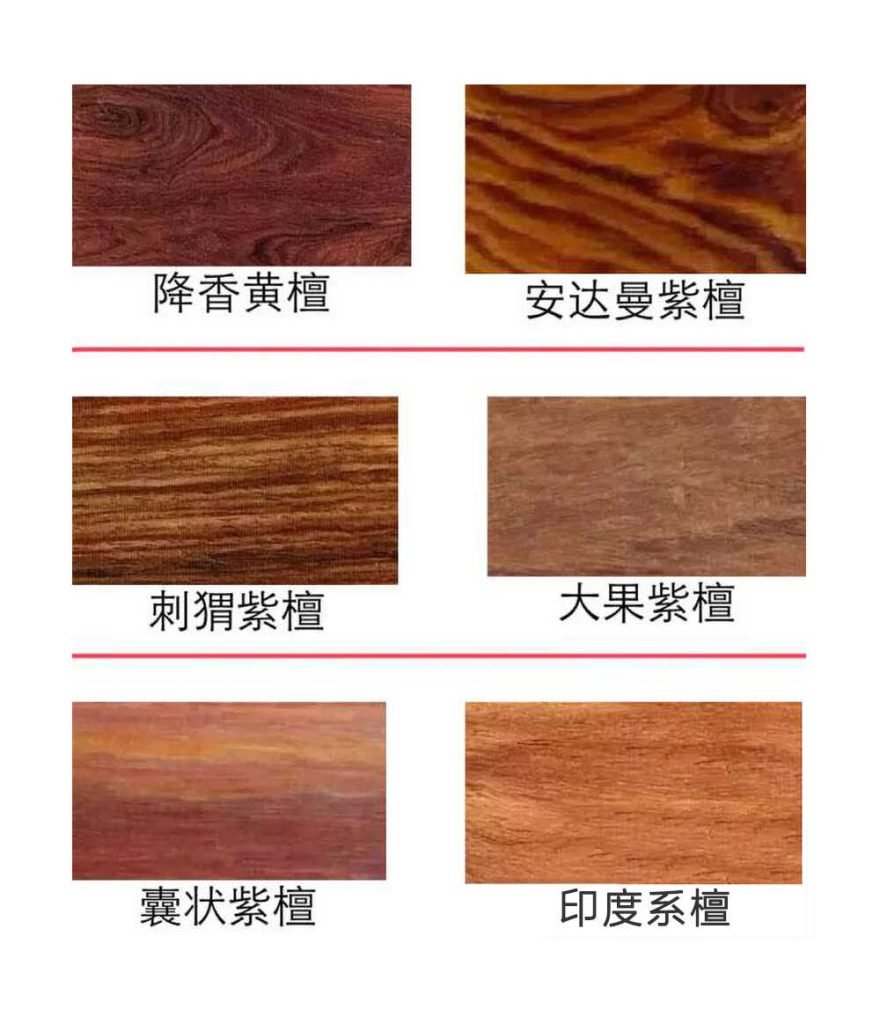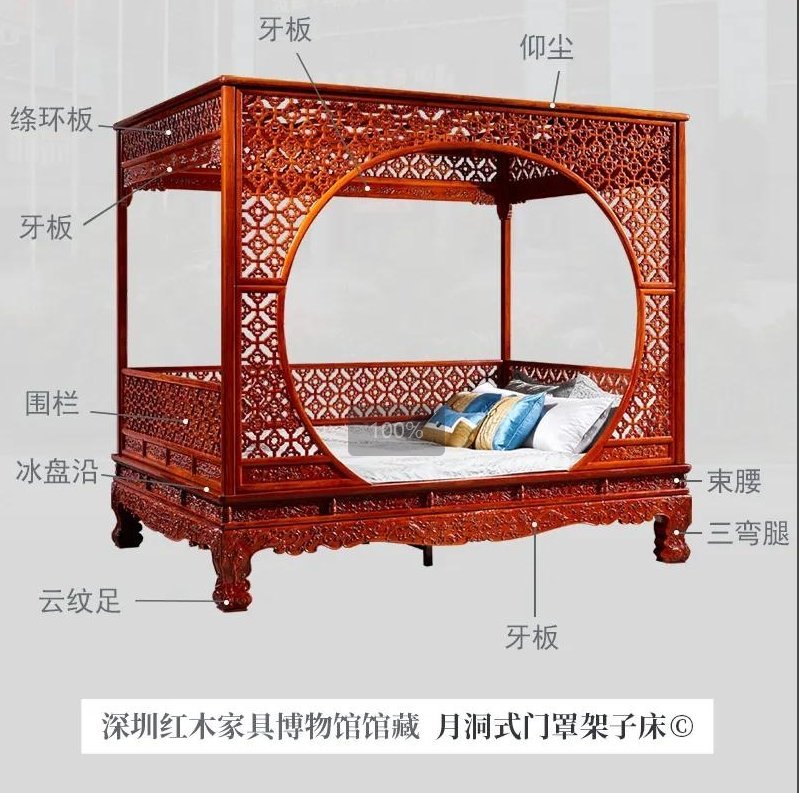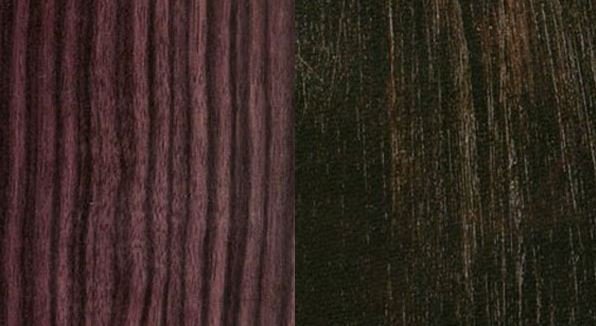
In the solid wood furniture market, the names of various types of wood are so diverse that many consumers are confused when making their purchases, often scrambling to identify woods like 'oak,' 'rubberwood,' 'ash,' and 'black walnut.' A single word can mean a difference in price, durability, and aesthetics. Worse still, some merchants use similar names or veneers to pass off wood as solid wood, causing many to waste money. This article will help you understand the selection logic for solid wood furniture from four perspectives: wood characteristics, market conditions, common counterfeiting methods, and key selection points, so you won't be misled by marketing jargon.
Oak and rubberwood: a difference of one word, but fundamentally different.
Although oak and rubberwood differ by only one character in their names, they belong to completely different families and genera of wood. Oak, scientifically known as Quercus acutissima, is mainly produced in North America, Europe, and Russia, and is divided into white oak and red oak. White oak heartwood is resistant to decay and is often used for wine barrels and high-end furniture; red oak has a coarser grain and is slightly cheaper but still considered a mid-to-high-end wood. Rubberwood, on the other hand, is the trunk of the rubber tree after latex production. It is mainly produced in Southeast Asia, is a fast-growing wood, has a softer texture, a high sugar content, and is prone to insect infestation and warping, but its price is only 1/3 to 1/5 that of oak.
Comparison of core differences
| Item | Oak (white oak/red oak) | rubberwood |
|---|---|---|
| family and genus | Fagaceae, Quercus | Euphorbiaceae, Rubber Tree |
| Origin | North America, Europe, Russia | Southeast Asia (mainly Thailand and Malaysia) |
| Growth cycle | 200 years or more | 15-20 years |
| density | Approximately 0.75 g/cm³ | Approximately 0.65 g/cm³ |
| hardness | High, wear-resistant | Medium, easily scratched |
| Corrosion resistance | Strong (especially white oak) | Poor quality, requires insect control treatment. |
| Texture | The red oak has a distinct mountain-shaped grain and ray grain. | Not obvious, often straight lines |
| Market price | High (approximately 5000-8000 yuan per cubic meter) | Low (approximately 2000-3000 yuan per cubic meter) |
The most common tactic in the market is to call rubberwood "oak" or "oak furniture," even adding prefixes like "Thai oak" or "Southeast Asian oak." While it's perfectly acceptable for legitimate businesses to label it as "rubberwood," deliberately misleading consumers into believing it's "oak" is fraudulent. Consumers can easily distinguish them by weight and grain: oak is heavy with a strong, three-dimensional grain; rubberwood is lighter with a flatter grain. Additionally, finger-jointed boards (small pieces joined together) are common for rubberwood, while oak is often made from large, straight-jointed boards.
Ash wood vs. black walnut wood: Which is more durable? Which is a better buy?
Ash and black walnut are both North American woods commonly used in mid-to-high-end furniture. Ash is moderately priced and has a coarse grain; black walnut has a deep color, a high-end feel, and is nearly twice the price of ash. However, many people struggle with the choice: which is more durable? Which is less prone to warping?
Wood performance comparison
- Density and hardness:Ash wood has an air-dry density of about 0.65 g/cm³ and is relatively hard, but not as tough as black walnut wood; black walnut wood has a density of about 0.55-0.8 g/cm³, is of medium hardness, but has excellent bending and compressive strength and good structural stability.
- stability:Black walnut is among the most stable of all North American hardwoods, with low shrinkage and is not prone to warping or cracking; ash has a higher shrinkage rate and is prone to warping if not dried properly.
- Durability:Black walnut heartwood is naturally rot-resistant and insect-resistant; ash sapwood is susceptible to insect damage, while its heartwood is moderately rot-resistant. Therefore, black walnut is superior for outdoor furniture or humid environments.
In summary, black walnut wood is generally superior to ash wood in terms of stability, durability, and processing performance, but ash wood has a significant price advantage. If you have a limited budget, choosing properly dried ash wood furniture will ensure it lasts for more than ten years; if you prioritize quality and don't mind the price, black walnut wood is a more reliable investment.
Demystifying the Tricks of Counterfeiting North American Black Walnut
Black walnut wood, due to its high price and unique grain, has become a major target for counterfeiting. Common methods of counterfeiting include:
- Using walnut veneer to imitate solid wood:The base material is paulownia wood, pine wood, or MDF, with a 0.6mm thick black walnut veneer on the surface, but the merchant advertises it as 'black walnut wood furniture'.
- Using South American or Asian walnut wood to imitate North American black walnut:The price difference is more than double. South American walnut (rainwood) has a coarser grain and often has black stripes; Asian walnut (golden walnut) is yellowish in color and has a lower density. True North American black walnut is chocolate-colored with a purplish hue, and has a smooth and wavy grain.
- Imitation using artificial dyeing:Light-colored woods such as birch and poplar are dyed dark brown with chemical dyes to imitate the color of black walnut. Over time, this dyed wood will fade and the true grain will no longer be visible.
The method of identification is simple: look at the cross-section. Solid wood furniture shows continuous wood grain and pores, while veneer often has layers at the ends. In addition, the tangential section of the vessels in genuine black walnut wood has distinctive 'bird-beak patterns' (small black gaps or mineral lines), which are natural growth marks and difficult for counterfeiters to imitate.
Is cracking and warping of solid wood furniture a quality issue?
Many consumers simply attribute cracking and warping of solid wood furniture to quality issues, but this is not the case. Wood has the natural characteristic of expanding when wet and contracting when dry. When the ambient humidity changes drastically (such as indoor humidity dropping below 201pT3T after heating is turned on in northern winters, or rising above 801pT3T during the humid season in southern regions), the internal stress of solid wood furniture changes, which may lead to tiny cracks or warping. This is a phenomenon known as the wood's "breathing" and has little to do with quality.
However, insufficient drying of raw materials or rough splicing processes significantly increase the probability of cracking. Reputable manufacturers control the moisture content of the wood between 81% and 121% moisture content and use finger-jointing or straight-jointing methods to reduce stress concentration. Small workshops, in order to cut costs, may use undried wood or inferior glue in finger-jointed boards, leading to severe cracking after only six months of use.
Purchase recommendations: Prioritize large, straight-jointed planks (pieces of wide planks joined together) over small, finger-jointed planks; check if the seller specifies moisture content control standards; for areas with significant climate differences between north and south, consider purchasing a humidifier/dehumidifier for use. Minor cracks are normal and can be repaired with wood wax oil or beeswax; structural cracks (such as broken table legs) are quality issues and should be returned or replaced.
Why is the return rate for solid wood furniture purchased online so high?
According to industry experience, the return rate for solid wood furniture purchased online can reach 151%-301%, which is two to three times higher than that of offline brick-and-mortar stores. The main reasons include:
- The color difference does not match the actual product:The color displayed on the screen differs greatly from the actual color of the wood. For example, black walnut wood appears reddish in photos but is more brownish when you actually receive it.
- Material fraud:The product was advertised as 'oak' but was actually rubberwood, and consumers requested a refund after receiving it.
- Transportation damage:Large pieces of furniture may be bumped or broken during transportation, especially the corners and edges.
- Assembly difficulties:Some brands require self-assembly, and consumers are dissatisfied with or unfamiliar with the structure, leading to returns.
To reduce return rates, consumers should request photos of the wood cross-section and clarify the specific material (e.g., whether it's 'oak' or white oak, red oak, and the origin) before purchasing online, and buy shipping insurance. If possible, ask the seller to send samples to confirm the color and texture. Additionally, choosing brands with third-party quality inspection reports offers greater assurance.
2025 Solid Wood Furniture Popular Style Forecast
Based on information from furniture exhibitions and social media trends over the past two years, solid wood furniture in 2025 may exhibit the following trends:
- Natural wood style:Emphasizing the natural grain and texture of the wood, using less paint and more wood wax oil for an open-pore treatment to preserve the tactile feel.
- Lightweight and versatile:With the increase in small apartments, solid wood furniture designs are trending towards slender legs and thin edges, while incorporating storage and folding functions.
- Mixed materials:Combining solid wood with metal, glass, and stone, such as a solid wood dining table with metal legs, adds a modern feel.
- North American black walnut wood remains popular:Because its dark tones are suitable for minimalist and retro styles, but due to fluctuations in raw material prices, it may be partially replaced by white oak, which has a more stable price.
Purchase advice for consumers
1. Define the budget and requirements:For those on a tight budget, consider pine or rubberwood for children's furniture or small items; for those with a mid-range budget, ash or red oak are recommended; and for those with a high-end budget, choose black walnut or cherry.
2. Learn to read tags:Be sure to carefully read the descriptions of 'main materials', 'auxiliary materials', and 'surface treatment'. This is to prevent 'partially solid wood' from being advertised as 'all solid wood'.
3. Pay attention to the connection method:Mortise and tenon joints are superior to screws and glue, but the quality of hardware is also crucial in modern furniture. It is recommended to purchase hardware accessories from the brand's own stores.
4. Don't blindly believe in imported goods:Some domestic factories have processing technologies that are no less advanced than those abroad, but there are differences in the prices of imported and domestically sourced raw materials. When purchasing, it is advisable to compare prices and samples from different channels.
5. Preserve evidence:Chat logs, screenshots of website details pages, especially promises regarding materials, are helpful for protecting your rights.
Industry Observation: The Evolution of Solid Wood Furniture Distribution Channels
In recent years, the sales channels for solid wood furniture have gradually shifted from traditional retail stores to online platforms and whole-house customization. On the one hand, leading brands such as KUKA and Qumei have launched "solid wood series" on e-commerce platforms, offering transparent pricing. On the other hand, numerous small and medium-sized factories are directly reaching consumers through platforms like Douyin and Xiaohongshu, reducing intermediary costs under the guise of "factory direct sales." However, this has also led to issues such as inconsistent quality and difficulties in after-sales service. When purchasing from non-branded channels, consumers should prioritize platforms that support "inspection before payment."
Furthermore, whole-house customization is experiencing rapid growth, with wood veneer becoming the mainstream. Many consumers mistakenly believe that 'wood veneer' is the same as solid wood, but in reality, the base material is mostly MDF or particleboard with a wood veneer on the surface. Although the price is lower than pure solid wood, the difference in environmental friendliness and durability is significant. If you are looking for environmentally friendly options, it is recommended to choose pure solid wood or formaldehyde-free engineered wood veneer.
The nkfurn platform focuses on furniture products, interior design, materials, craftsmanship, and market information. We continuously analyze the characteristics of different types of wood and common consumer misconceptions to help users make more informed decisions when purchasing solid wood furniture. Whether it's distinguishing between oak and rubberwood or preventing counterfeit black walnut, we are committed to providing an objective and practical industry perspective, adapting to changes in the furniture industry and the real needs of users.
Further Reading
If you are systematically planning your furniture selection or market content, you can also continue reading these related articles: