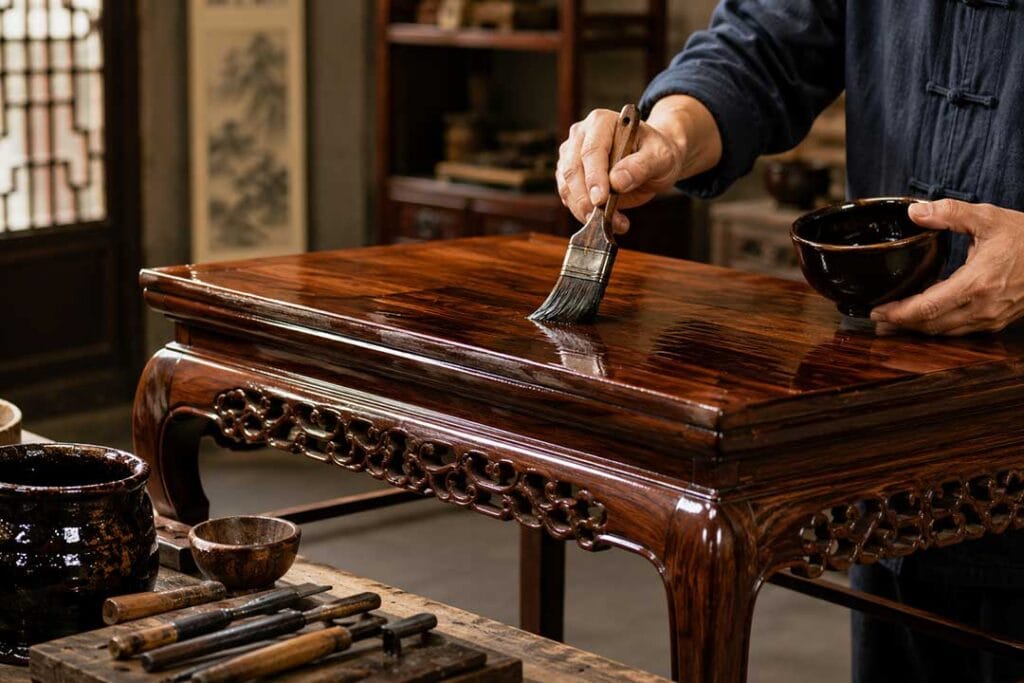
In traditional Chinese furniture making, raw lacquer has always occupied a very important position.
When people come into contact with rosewood furniture, they often hear terms like "lacquer craftsmanship," "raw lacquer craftsmanship," and "national lacquer craftsmanship." However, most consumers don't really understand raw lacquer.
Why did ancient imperial furniture use raw lacquer extensively?
Why do many high-end rosewood furniture pieces still insist on using traditional lacquer techniques?
What is so special about raw lacquer?
In this article, we'll explore the development history of traditional Chinese furniture craftsmanship and discover the value behind the lacquerware technique.
1. What is raw lacquer?
Raw lacquer, also known as Chinese lacquer, lacquer, or earth lacquer, is a natural plant-based coating.
It comes from the lacquer tree. Craftsmen manually cut the bark of the lacquer tree, collect the flowing lacquer, and after processes such as filtering, drying, and refining, it can be used to coat the surfaces of furniture, utensils, and buildings.
Due to its superior properties, raw lacquer is hailed as:
“"King of Coatings"”
It is also one of the most representative traditional natural coatings in China.
Unlike modern chemical coatings, raw lacquer belongs to a natural plant resin system. Its film-forming process relies on natural laccase catalysis, thus giving it a unique texture and durability.
2. Raw lacquer has been used in China for thousands of years.
China is one of the earliest countries in the world to discover and use raw lacquer.
Archaeological discoveries show that wooden artifacts coated with natural lacquer already existed at the Hemudu Culture site, dating back approximately 7,000 years.
The Book of Songs also contains records of lacquer tree cultivation, indicating that as early as the pre-Qin period, China had already mastered the techniques of planting lacquer trees and harvesting raw lacquer.
From ancient lacquerware and palace artifacts to traditional furniture, raw lacquer has been a constant presence throughout the history of Chinese craftsmanship.
3. Why do rosewood furniture manufacturers often use raw lacquer?
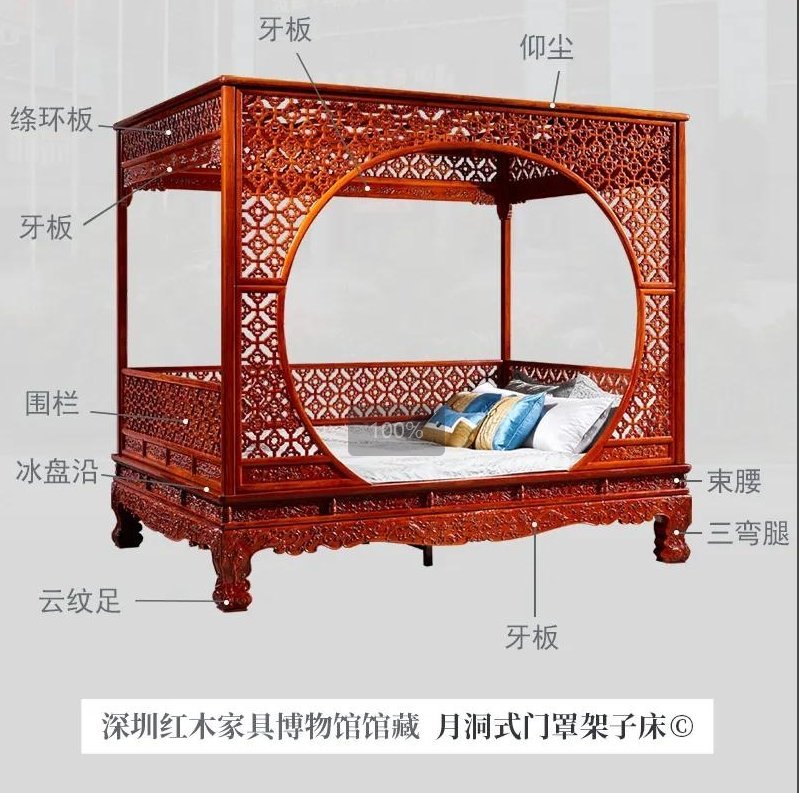
Rosewood furniture is inherently a high-value type of wooden furniture.
Compared to ordinary furniture, it not only serves daily functions, but also has strong collectible and cultural value.
Therefore, the requirements for surface treatment processes are also higher.
Traditional rosewood furniture generally uses the lacquer wiping technique, also known as the raw lacquer technique, for several reasons.
3.1 It better showcases the texture of the wood itself.
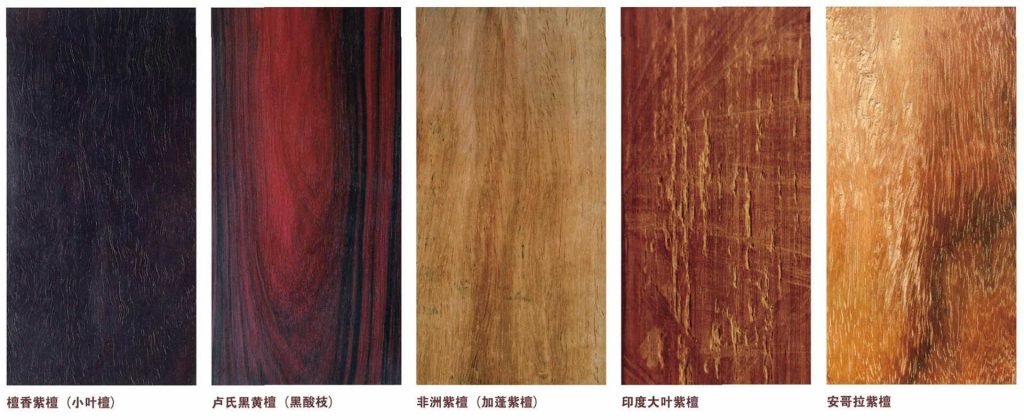
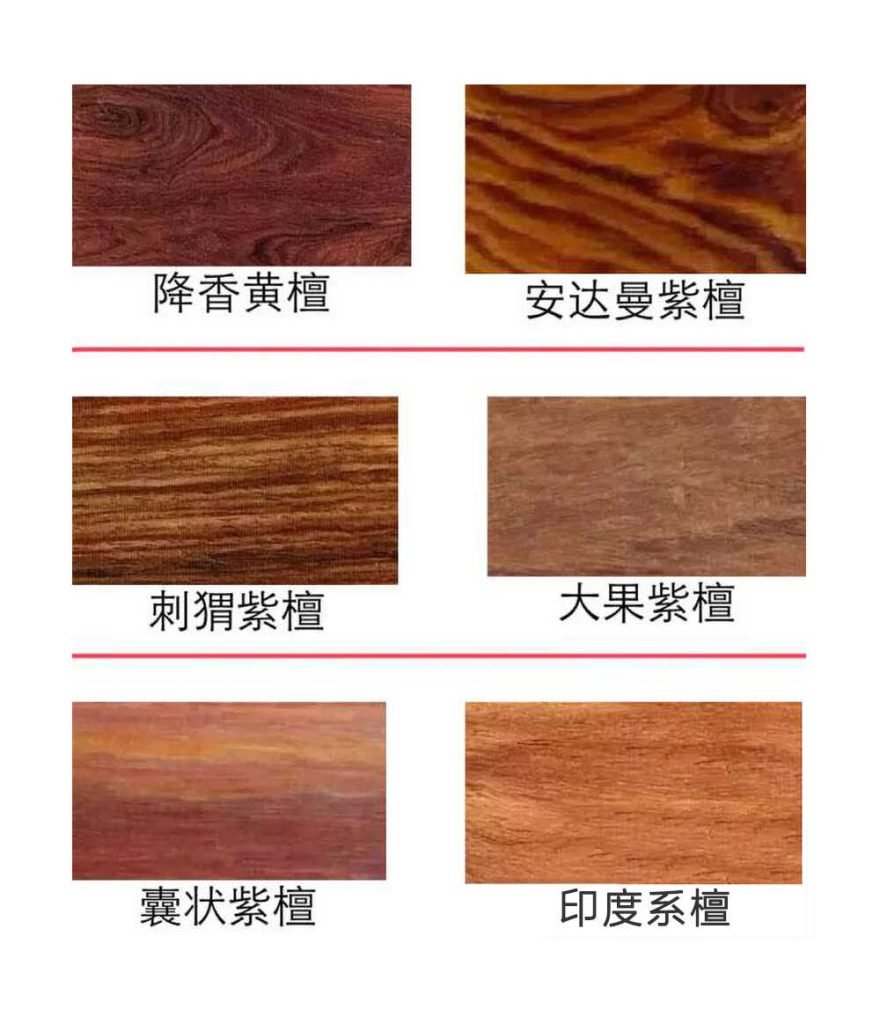
One of the greatest values of high-quality rosewood is its natural grain and color.
Compared to thick chemical paint films, traditional raw lacquer can protect the wood while preserving the wood grain's texture and natural luster to the greatest extent.
This is an effect that many traditional furniture collectors are pursuing.
3.2 Excellent durability
The paint film, once fully dried, exhibits extremely high stability.
Its wear resistance, heat resistance, water resistance and corrosion resistance are all outstanding.
Many antique furniture and lacquerware pieces that have been preserved for hundreds of years still maintain a good surface condition, which is closely related to the excellent durability of raw lacquer.
3.3 More in line with traditional furniture craftsmanship system
Traditional Chinese furniture emphasizes "material, form, craftsmanship, and style".
Like mortise and tenon joints and traditional carving techniques, lacquerware craftsmanship is an important part of Chinese furniture culture.
Many high-end rosewood furniture pieces still insist on using traditional raw lacquer, which is both a way of preserving craftsmanship and a way of preserving culture.
4. What are the characteristics of lacquer furniture?
Rosewood furniture treated with traditional lacquer techniques typically possesses the following characteristics:
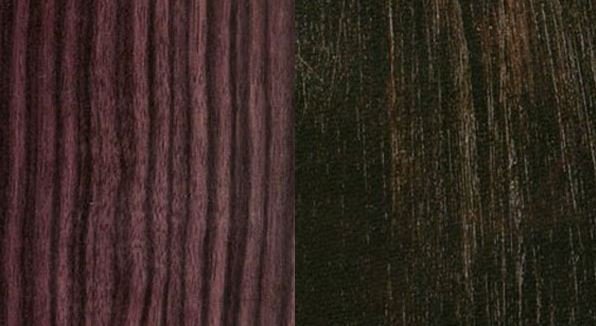
The wood grain looks more natural.
It can clearly show the texture and layering of the rosewood itself.
Warm and delicate to the touch
The surface doesn't have an overly heavy plastic feel; it's closer to the feel of natural wood.
Wear-resistant and durable
It is not easy for large areas to peel off after long-term use.
The longer you use it, the more charming it becomes.
Over time, the lacquer film will gradually develop a soft and deep luster, an effect sought after by many traditional furniture enthusiasts.
5. Is raw lacquer furniture necessarily better than furniture made with other techniques?
In fact, there is no such thing as "the best" in an absolute sense.
In the modern furniture industry, in addition to traditional raw lacquer, the following are also widely used:
- Wood wax oil
- Polyurethane paint (PU)
- UV coating
- Waterborne Coating
Different processes have their own characteristics.
For traditional rosewood furniture, the lacquer technique has irreplaceable cultural value and historical significance.
For modern solid wood furniture, water-based paints, which are more environmentally friendly and have better construction efficiency, are becoming an increasingly mainstream choice.
(Waterborne Coatings: Shaping a New Path for Green Manufacturing in Nankang Furniture)
6. What should you pay attention to when buying raw lacquer rosewood furniture?
Not all products on the market that are labeled "lacquer craftsmanship" use traditional natural raw lacquer.
Some products may use modern biomimetic paints or chemical coatings as alternatives.
Therefore, when making a purchase, it is recommended to focus on the following:
- Is the natural lacquer process clearly labeled?
- Is the process transparent?
- Do furniture manufacturers have experience in traditional craftsmanship?
- Overall product structure and wood quality
It is important to note that the true value of furniture does not come solely from its surface finish, but is determined by the combination of the wood, structure, craftsmanship, and stability.
(What Is Real Solid Wood Furniture? A Clear Explanation in One Article)
(All Solid Wood, Pure Solid Wood, Solid Wood Frame: Understanding the Essential Differences)
Final Thoughts
Raw lacquer is not only a traditional coating, but also an important part of Chinese furniture craftsmanship.
From ancient lacquerware to Ming and Qing dynasty furniture, from palace furnishings to modern high-end mahogany furniture, raw lacquer has witnessed the development of traditional Chinese crafts over thousands of years.
Today, when we appreciate a piece of rosewood furniture made using traditional lacquer techniques, we see not only the combination of wood and lacquer art, but also a craftsmanship inheritance and cultural expression that transcends time.