I. Historical Background and Evolution of Chinese-Style Furniture
Chinese-style furniture boasts a long and distinguished history, with origins dating back to the Zhou Dynasty of ancient China. Early furniture was predominantly low in height, such as low tables and couches designed for floor seating. As social and cultural practices evolved, the Han Dynasty saw the emergence of higher tables, while folding screens appeared during the Wei, Jin, and Northern and Southern Dynasties, laying the foundation for the fundamental forms of Chinese furniture.
By the Tang Dynasty, furniture forms became increasingly diverse, and high-legged furniture began to gain widespread use. Furniture from this period was richly decorated, often featuring carving and inlay techniques that reflected the prosperity and artistic brilliance of the Tang era. During the Song Dynasty, greater emphasis was placed on the balance between functionality and aesthetics. Furniture designs became more refined and elegant, with a focus on clean lines, smooth proportions, and understated beauty.
The Ming and Qing dynasties marked the pinnacle of Chinese furniture development. Ming-style furniture is renowned for its simplicity, elegance, and emphasis on graceful lines, often employing mortise-and-tenon joinery to achieve a harmonious balance between practicality and aesthetics. In contrast, Qing-style furniture tends toward a more opulent style, characterized by intricate carvings and rich decorative details that reflect imperial grandeur and authority.
II. Key Characteristics and Design Elements of Chinese-Style Furniture
The design of Chinese-style furniture fully embodies the philosophical principles and aesthetic ideals of traditional Chinese culture. Its main characteristics include:
- Minimalist Lines and Symmetrical Beauty Chinese-style furniture emphasizes clean, flowing lines and balanced, symmetrical compositions, reflecting the Chinese pursuit of harmony and equilibrium.
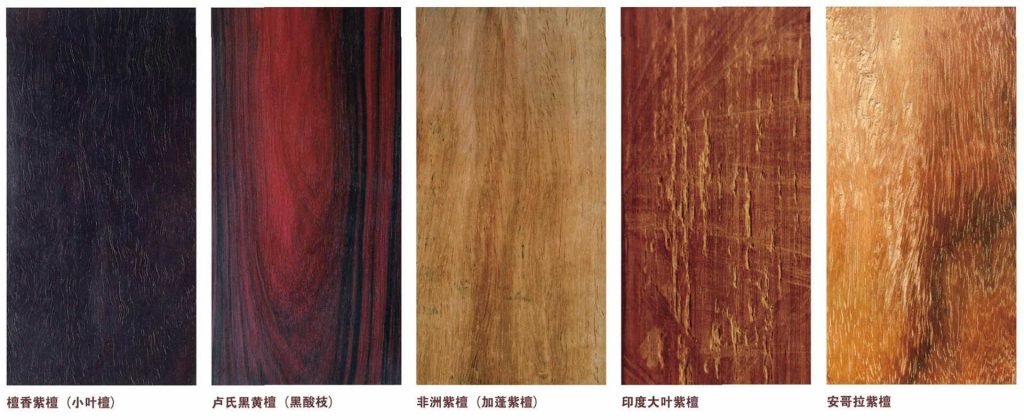
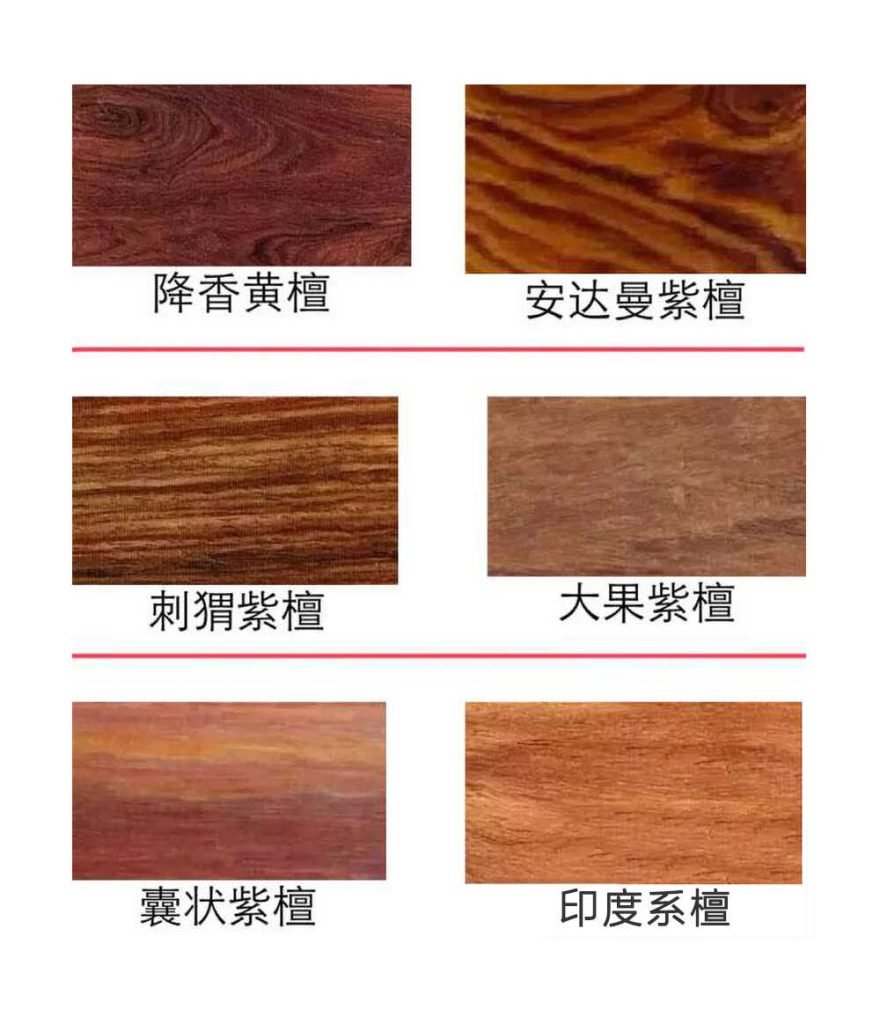
- Natural Grain and the Beauty of Wood Traditional Chinese-style furniture is crafted from premium woods such as huanghuali and zitan (rosewood), highlighting the natural grain and texture of the material and expressing a harmonious coexistence with nature.
- Integration of Cultural Symbols Chinese-style furniture often incorporates traditional cultural motifs such as cloud patterns, dragon and phoenix designs, and floral elements, symbolizing auspiciousness and good fortune.
- Mortise-and-Tenon Joinery The distinctive mortise-and-tenon construction of Chinese-style furniture requires no nails, showcasing the exceptional craftsmanship and wisdom of ancient Chinese artisans.
III. Materials and Craftsmanship of Chinese-Style Furniture
The materials and craftsmanship used in Chinese-style furniture are distinctive and unique:
- Wood Selection
- Huanghuali: Known for its toughness and beautiful grain, often regarded as the “gold of woods.”
- Zitan (Rosewood): Highly dense with a deep, rich color, traditionally used as a primary material for imperial furniture.
- Nanmu and Hardwood: Suitable for crafting large furniture pieces, valued for their strength and durability.
- Exquisite Craftsmanship
- Mortise-and-Tenon Craftsmanship: Achieves a strong and stable structure through precisely interlocking wooden joints, without the use of nails or adhesives.
- Carving Techniques: Employs methods such as relief carving and openwork carving, endowing the furniture with rich decorative appeal.
- Inlay Craftsmanship: Incorporates materials such as mother-of-pearl and jade, enhancing the visual richness and aesthetic appeal of the furniture.
IV. Applications and Styling Suggestions of Chinese-Style Furniture in Modern Interiors
In modern interior design, Chinese-style furniture has become an increasingly popular choice for many households due to its distinctive cultural character and practical value. Below are some suggestions for its application and styling:
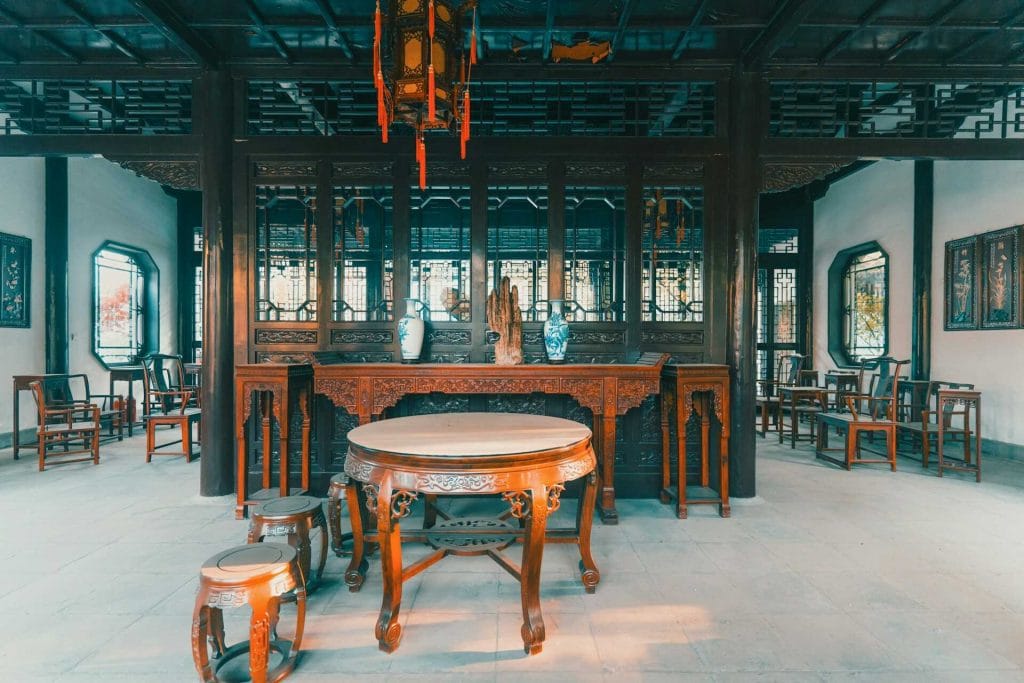
- Pairing with Modern Styles Combining Chinese-style furniture with minimalist modern interiors—such as placing a Ming-style round-backed armchair in a contemporary living room—creates a harmonious blend that feels both natural and refined while highlighting classical elegance.
- Highlight Functional Zones
- Living room: Choose a Chinese-style carved sofa paired with a tea table to create a warm atmosphere rich in cultural depth.
- Study room: Place a traditional Chinese-style writing desk, complemented by a screen or bookshelf, to create an elegant and refined study space.
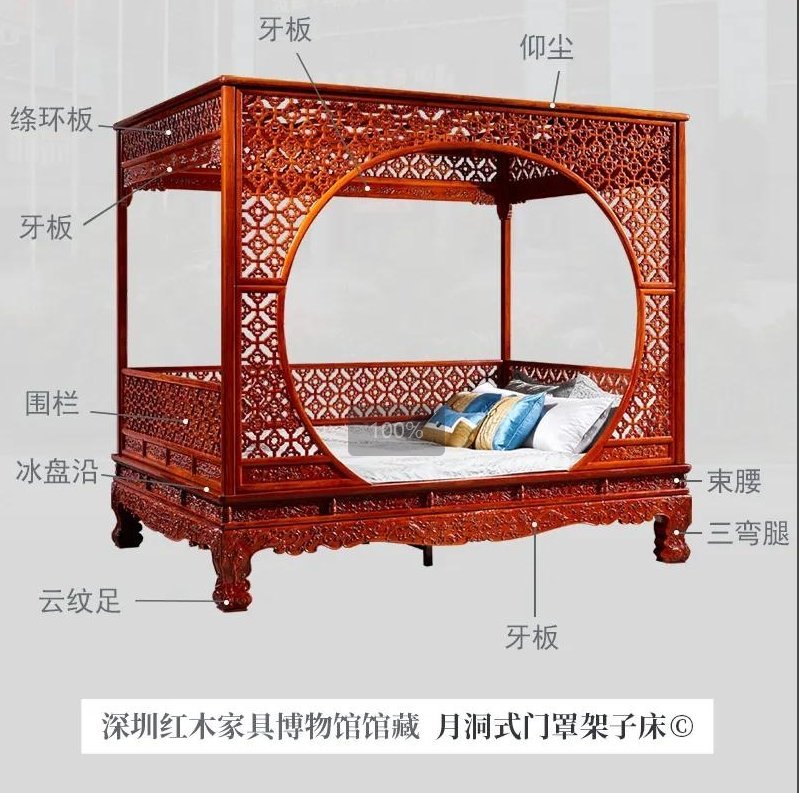
- BedroomUse a Chinese-style carved bed paired with understated bedding to achieve a balanced aesthetic that blends simplicity with subtle luxury.
- Coordination of Color and Lighting Chinese-style furniture often features deep, rich tones. Pairing it with light-colored walls or soft lighting helps create balance and prevents the space from feeling overly heavy or enclosed.
V. Purchasing Tips and Maintenance Guidelines for Chinese-Style Furniture
- Purchasing Tips
- Identify the Materials: Confirm the type of wood used in the furniture to avoid purchasing imitations.
- Inspect the Craftsmanship: Check whether the mortise-and-tenon joints are tight and well-fitted, and whether the carvings are fine and detailed.
- Choose Reputable Brands: Select well-established Chinese-style furniture brands such as Liji Furniture or Youlian to ensure reliable quality and craftsmanship.
- Maintenance Guidelines
- Moisture and Dryness Protection: Wooden furniture is sensitive to both excessive humidity and overly dry conditions, and should be placed in a well-ventilated indoor environment.
- Avoid Direct Sunlight: Prolonged exposure to direct sunlight may cause the wood to crack or fade.
- Regular Cleaning: Gently wipe the furniture surface with a soft, dry cloth, and avoid using chemical cleaning agents.
- Wax Maintenance: Apply furniture wax once every six months to maintain surface luster and protect the wood.
VI. Conclusion
Chinese-style furniture is not merely a practical household item, but a symbol of Chinese culture and artistry. From its historical evolution to its application in modern interiors, it has consistently carried profound cultural meaning and exquisite craftsmanship. Choosing and maintaining a piece of Chinese-style furniture in contemporary living spaces represents both an aesthetic pursuit and a continuation of cultural heritage. Whether it is the refined elegance of Ming-style furniture or the opulent grandeur of Qing-style furniture, each deserves to be appreciated in depth—allowing this timeless artistic legacy to become an integral part of everyday life.