
Along with China's long history of civilization, the history of Chinese furniture is also long and rich. According to some scholars, four major design styles have clearly emerged in the long history of the development of classical Chinese furniture: Chu style furniture (Zhou Dynasty to Northern and Southern Dynasties), Song style furniture (Sui and Tang Dynasties to Yuan Dynasty and early Ming Dynasty), Ming style furniture (mid-Ming Dynasty to early Qing Dynasty), and Qing style furniture (mid-Qing Dynasty and later).
Chu-style furniture (Zhou Dynasty to Northern and Southern Dynasties)
Chinese furniture evolved gradually from low to high, originating from mats used for sitting on the floor, and gradually developing into seating for sitting with legs hanging down. The earliest and most primitive furniture was the mat used for sitting and lying down; people in daily life either knelt or sat cross-legged, using low furniture. At this time, curtains were used to enclose rooms to block the wind and cold. Before the Han Dynasty, the most representative furniture was lacquered wood furniture, with lacquered tables and lacquered stools being commonly used.
Before the Han Dynasty, people sat on the floor. By the Han Dynasty, a type of furniture for sitting and lying down—the couch—had become widely used. At this time, screens replaced curtains, but low tables and desks remained popular.
During the Eastern Han Dynasty, tables appeared, and their shape was similar to that of modern square tables.
At the end of the Han Dynasty, the Hu bed was introduced to the Central Plains. It consisted of two pieces of wood crossed together, with the bed surface connected by ropes. It could be opened and closed freely and was easy to carry. It was very similar to the later folding chair and also to today's folding stool. This may have been the predecessor of the chair.
After the Wei and Jin dynasties, as houses became taller and living areas increased, furniture also became taller and more diverse. Beds in the Jin dynasty were already quite similar to those of today.
The Chu style is essentially early Chinese lacquer furniture. While the exact date when the Chinese first used natural lacquer is uncertain, it was widely used by certain social classes by the Western Zhou Dynasty at the latest. During the Warring States period, lacquerware truly achieved widespread popularity in China. During this period, there were seven powerful states, historically known as the "Seven Warring States," with the southern state of Chu being one of them. Because the Chu region was the most important lacquer tree cultivation area in China, Chu's lacquer furniture was also the most developed.
Lacquerware, due to its superior durability, corrosion and moisture resistance, and suitability for decoration, was welcomed by the whole society. From the Zhou Dynasty to the Northern and Southern Dynasties, lacquer furniture remained the mainstream of the Chinese furniture system. Judging from its use by the royal family and the upper class, lacquer furniture maintained its dominant position until the end of the Qing Dynasty.
Of particular note is the ingenious mortise and tenon structure that amazes Westerners. This structure was largely established during the Warring States period and has undergone continuous improvement and development over two thousand years, forming an important characteristic of traditional Chinese furniture, which is still in use today.
Song-style furniture (from the Sui and Tang dynasties to the Yuan dynasty and the early Ming dynasty)
By the Sui Dynasty, the stool was basically the same as it is today.
During the Tang Dynasty, tables increased in number, chairs appeared, and cabinets became essential household items. The Tang Dynasty marked the beginning of tall chairs and tables, and chairs and stools began to become people's main seating. Tang Dynasty chairs came in a wide variety of types, including armchairs, round-backed chairs, thrones, as well as chairs made of different materials such as bamboo, lacquered wood, tree root, and brocade.
The Song Dynasty was a crucial period of development for Chinese furniture, bridging the past and the future. By the Song Dynasty, tall furniture with legs hanging down became widespread, becoming the main form of furniture for people's daily lives. Compared with previous dynasties, Song Dynasty furniture had a wider variety, and various types of tall furniture were basically standardized, including beds, tables, chairs, stools, high tables, long desks, cabinets, clothes racks, screens, towel racks, curved-leg basin stands, dressing tables, etc. Some furniture also had carved decorations, and both the categories and forms continued to improve and evolve.
Song Dynasty furniture already possessed various forms of Ming Dynasty furniture, laying the foundation for the golden age of Chinese classical furniture in the Ming and Qing Dynasties.
It is generally believed that Song Dynasty furniture stands out in the following three aspects:
1. Begin to imitate the construction methods of building beams, columns, and wooden frames.
2. Emphasis began to be placed on the aesthetic function of wood materials, leading to the emergence of hardwood furniture manufacturing techniques.
3. Pay attention to ensuring that the matching of chairs and tables is suitable for daily life.
Ming-style furniture (mid-Ming to early Qing dynasty)
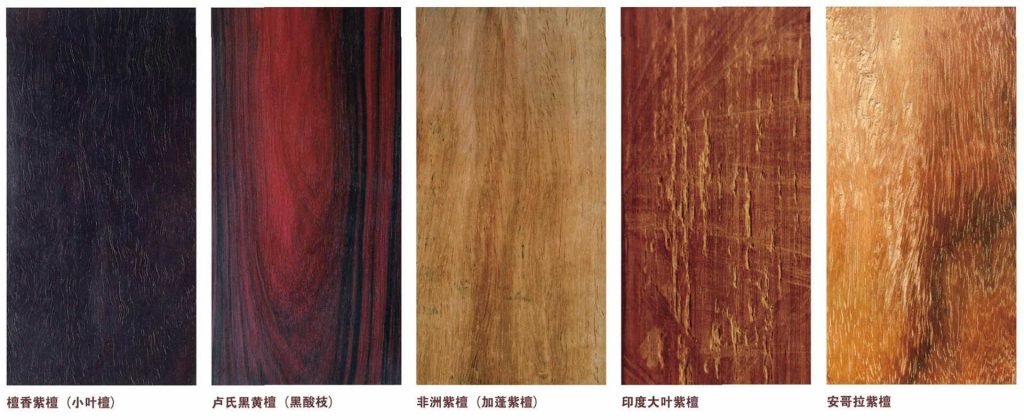
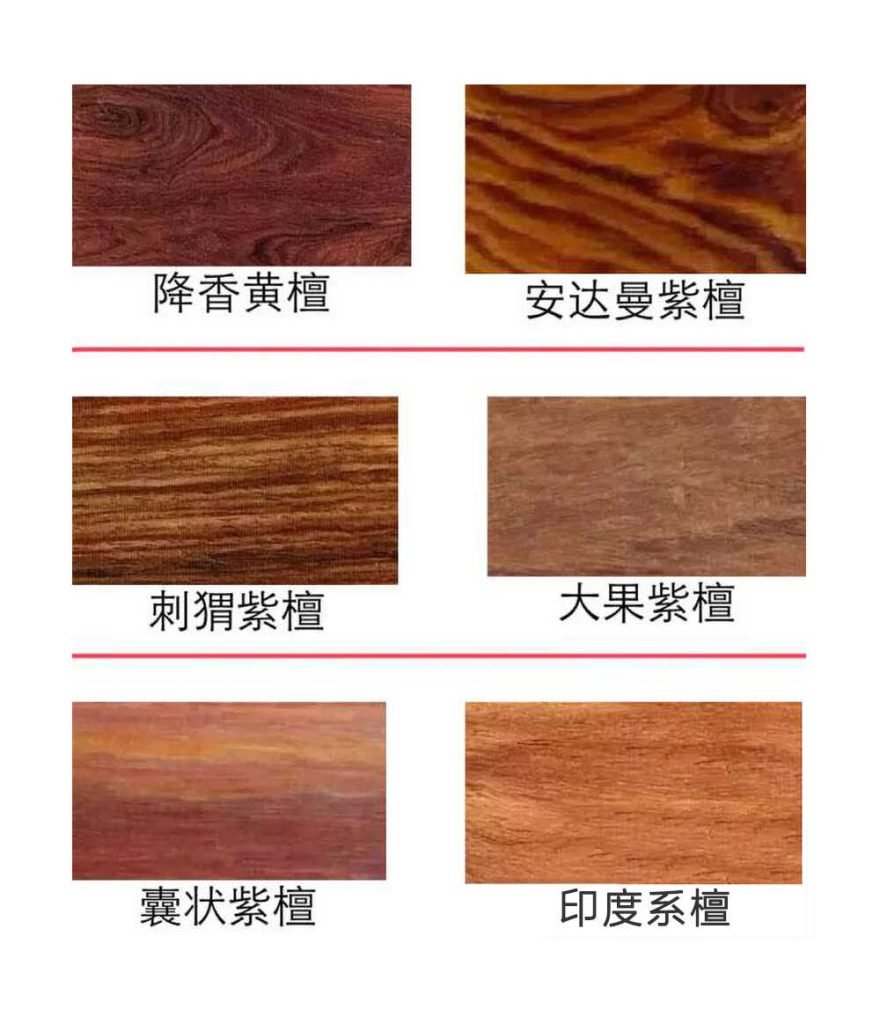
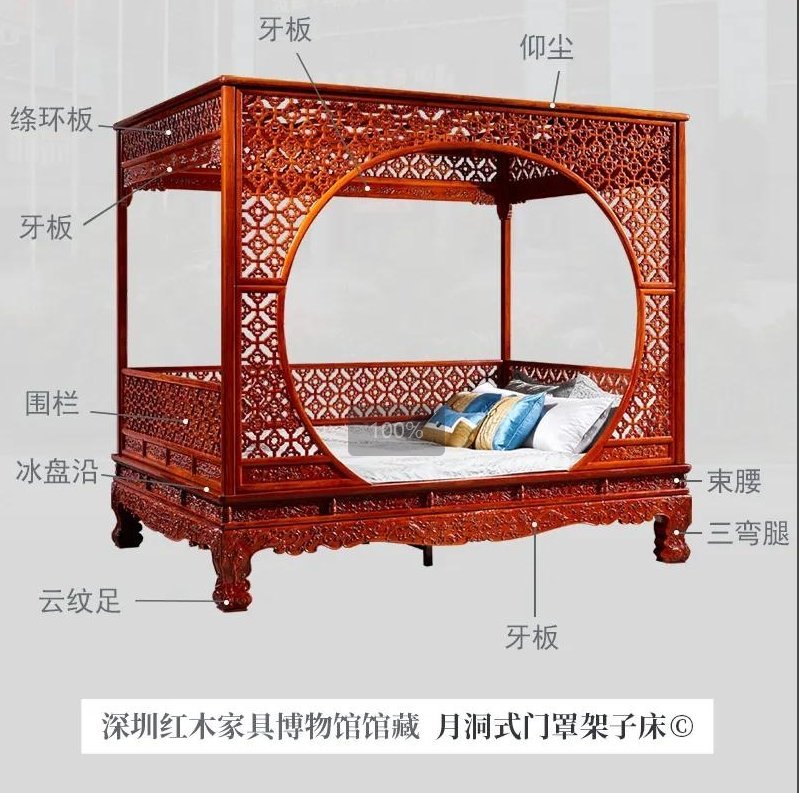
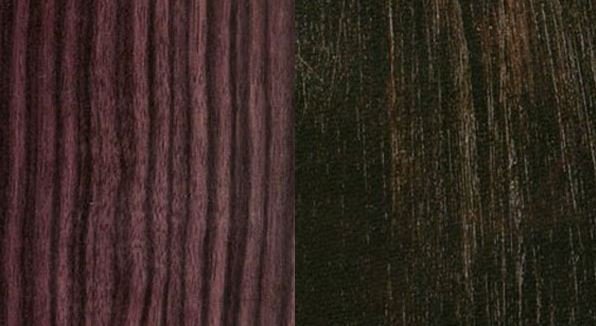
Due to their antiquity, few surviving pieces of furniture remain, and modern understanding of furniture from before the Ming Dynasty is not comprehensive. It was only from the Ming Dynasty onwards that people began to see a large number of authentic classical furniture pieces and conduct in-depth research on them. However, it is undeniable that Chinese classical furniture reached its peak from the mid-Ming Dynasty to the early Qing Dynasty (15th-17th centuries), a period known as the "Golden Age of Chinese Classical Furniture," and the furniture styles of this period are called Ming-style furniture. At that time, due to developed transportation, hardwoods from India, Burma, and Southeast Asia, such as rosewood, padauk, ironwood, and ebony, were continuously imported into China. These woods had a deep color, beautiful grain, and a hard, fine texture, making them suitable for making precise mortise and tenon joints and for intricate carvings (see Ming-style furniture carving art). The resulting furniture was simple yet elegant, possessing a unique aesthetic personality and practical value.
In addition, the social economy was booming at the time, and furniture making made great strides in terms of craftsmanship and design, and the variety of furniture also developed unprecedentedly.
Ming Dynasty furniture can be categorized according to different materials and craftsmanship as follows:
1. Traditional lacquered furniture (or painted lacquer furniture). At that time, the carving and embroidery techniques brought lacquered furniture to its peak.
2. Novel hardwood furniture. Furniture made from hardwoods such as huanghuali, zitan, and chicken wing wood has emerged, and this high-end hardwood furniture has been unanimously praised by the academic community both at home and abroad in contemporary times.
3. Cork furniture. Cork furniture, represented by elm and other woods, reached its peak during the Ming Dynasty. In the vast rural areas of China, there are still a large number of so-called "cork furniture" that are no less than hardwood furniture in terms of design and craftsmanship.
4. Folk furniture made of bamboo, rattan, and willow. Because this type of furniture was mostly used by ordinary people, there are not many surviving treasures.
5. Furniture made of pottery and stone.
Qing-style furniture (from the mid-Qing period onwards)
Early Qing dynasty furniture largely inherited the style of Ming dynasty furniture. Starting roughly during the Kangxi era, as the Qing dynasty strengthened its rule and public sentiment shifted, Qing-style furniture gradually gained a numerical advantage over Ming-style furniture. After the Yongzheng era, however, Qing furniture developed a distinct style in terms of form, materials, decoration, and color, showing a clear difference from the Ming dynasty.
During the Kangxi, Yongzheng, and Qianlong periods, the Baroque style of Western European classical art was at its peak. Foreign missionaries brought the Baroque style with them to China. Baroque furniture is characterized by its luxurious and unrestrained shapes, exquisite carvings, and elegant forms.
It is exaggerated, pursuing a romantic and gorgeous decorative style, and the appearance of the furniture combines different curves and dignified forms.
At that time, furniture makers made full use of carving, inlaying, and painting techniques, and absorbed foreign cultural arts. They boldly innovated in furniture form, transforming solemnity into fluidity and simplicity into elegance. This changed the style of previous generations, resulting in stable and magnificent Qing-style furniture.
At that time, several furniture manufacturing centers were established across the country. Due to the vastness of the region, furniture from different areas had their own unique styles and characteristics. In addition to retaining more of the traditional forms of traditional Chinese furniture, furniture in coastal areas such as Guangzhou showed a greater influence from Western culture and tended to be "Westernized".
The sixty years of Emperor Qianlong's reign were both the zenith of the Qing Empire and a turning point in its decline. Qing-style furniture was no exception. Furniture from this period not only reached its peak but also reflected the socio-political and economic background of the time, as well as the ideological characteristics and temperament of the Qing upper class. Most of the overly ornate Qing-style furniture originated during the Qianlong era.
By the late Qing Dynasty, Qing-style furniture, like the Qing Dynasty itself, had declined and fallen into ruin. Many low-class and clumsy pieces of furniture appeared in the late Qing period, which are regrettable to behold.